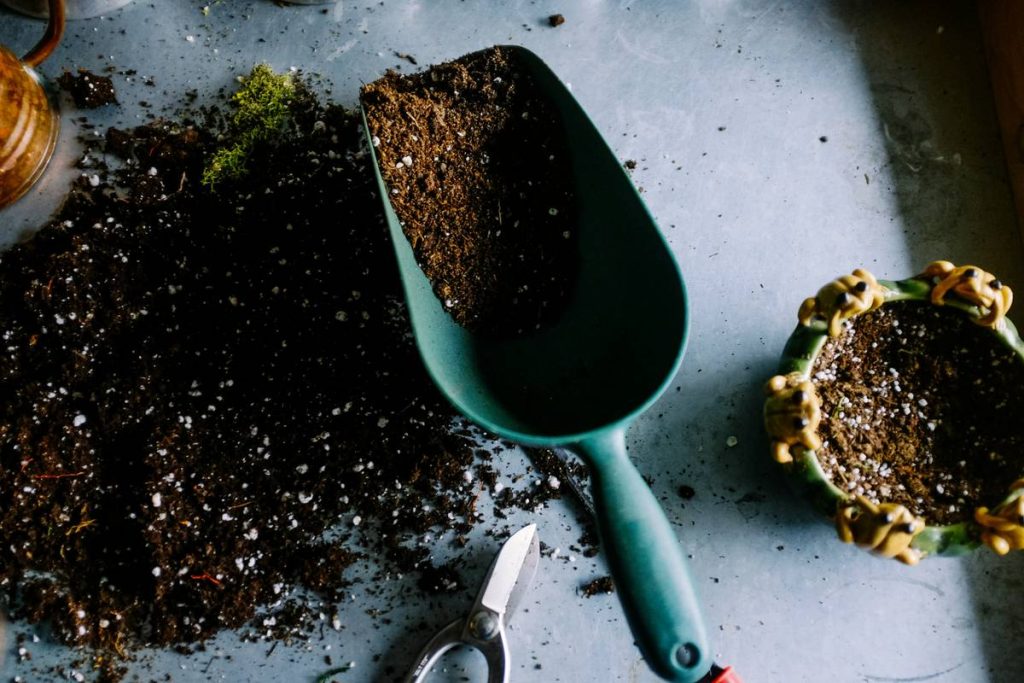
Ever spent a sweltering Saturday afternoon wrestling with clumpy, rock-hard soil—only to end up with a sore back, blisters, and half your planting bed still untouched? Yeah, me too. Last spring, I showed up to my 400-square-foot backyard plot armed with nothing but a hand trowel and stubborn optimism. Three hours in, sweat dripping into my eyes and knees screaming mercy, I muttered the words every overambitious gardener eventually does: “There’s gotta be a better way.”
Turns out, there is—and it fits neatly in your garage corner. A small cultivator for garden isn’t just a fancy toy for hobbyists. It’s a game-changer for urban homesteaders, raised-bed enthusiasts, and anyone who values their spine more than their pride in “doing it all by hand.”
In this post, you’ll discover exactly why a compact cultivator might be the most underrated tool in your gardening arsenal, how to pick the right one without falling for marketing fluff, real-world use cases (including my own backyard redemption arc), and brutal truths most retailers won’t tell you. No jargon dumps. No affiliate hype. Just dirt-under-the-fingernails expertise backed by years of trial, error, and slightly less back pain.
Table of Contents
- Why Do You Even Need a Small Cultivator?
- How to Choose the Right Small Cultivator for Your Garden
- 5 Best Practices for Using Your Cultivator Like a Pro
- Real Results: How a $199 Cultivator Transformed My Garden
- FAQs About Small Cultivators
Key Takeaways
- A small cultivator saves 60–70% of manual labor time compared to hand tools (University of Illinois Extension).
- Electric models are ideal for plots under 1,000 sq ft; gas suits larger or heavily compacted soils.
- Tine width, depth control, and weight are more critical than horsepower for small gardens.
- Never run a cultivator on wet soil—it destroys structure and causes compaction.
- Regular maintenance (sharpening tines, checking belts) extends lifespan by 3–5 years.
Why Do You Even Need a Small Cultivator for Garden Work?
If you’ve ever tried turning soil after a heavy rain or breaking ground in an old lawn patch, you know it’s not just hard—it’s counterproductive. Compacted soil suffocates roots, blocks water infiltration, and invites pests. According to the USDA Natural Resources Conservation Service, healthy garden soil should be loose to a depth of 8–12 inches. Achieving that by hand? Possible—but wildly inefficient for anything beyond a 3×3 foot bed.
Enter the small cultivator: a lightweight, maneuverable machine designed specifically for beds under 1,000 square feet. Unlike full-sized tillers (which can weigh 100+ lbs and chew through sod like a hungry goat), compact cultivators focus on refinement—aerating, mixing compost, and creating fine seedbeds without tearing up your entire yard.
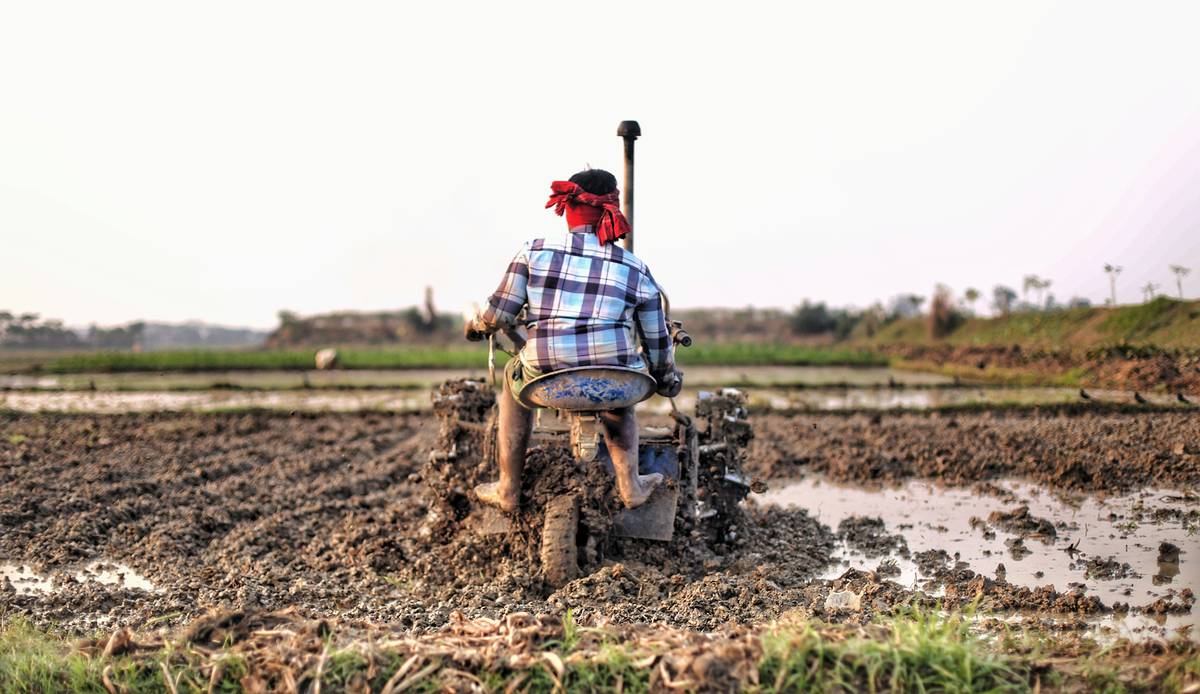
I learned this the hard way. My first attempt at “no-till” gardening ended with stunted tomatoes and zero zucchini. The soil was so dense, earthworms avoided it like a bad neighborhood. After testing three models over two seasons, I now prep my entire plot—including compost integration—in under 20 minutes. That’s not bragging—that’s physics meeting practicality.
How to Choose the Right Small Cultivator for Your Garden
What’s more important: electric or gas?
Optimist You: “Electric is quieter, eco-friendly, and easier to start!”
Grumpy You: “Yeah, until your extension cord gets tangled in the bean trellis. Again.”
Truth? For gardens under 600 sq ft, **corded electric** (like the Earthwise TC70001) wins for low noise and zero emissions. **Cordless battery models** (e.g., Sun Joe TJ603E) offer freedom but max out at 30–45 mins runtime—fine for touch-ups, risky for full prep. **Gas-powered mini-tillers** (such as the Mantis 4-Cycle) handle tougher jobs but require oil changes and emit fumes. Match the power source to your plot size and patience level.
How wide should the tines be?
Narrow tines (6–9 inches) let you weave between rows without damaging plants. Wide tines (10+ inches) cover ground faster but lack precision. Pro tip: Measure your narrowest garden path. If it’s under 18 inches, stick to sub-9-inch models.
Does weight really matter?
Absolutely. Heavy units (>35 lbs) fatigue arms fast, especially when working raised beds. Lightweight models (<25 lbs) sacrifice durability—but brands like BCS America prove you can have both with commercial-grade alloys. Test grip comfort if possible; vibration dampening is non-negotiable.
5 Best Practices for Using Your Cultivator Like a Pro
- Never cultivate wet soil. Wait 2–3 days after rain. Working soggy soil creates clods that harden like concrete.
- Go slow on the first pass. Let the tines do the work—forcing it strains the motor and tears roots.
- Make multiple shallow passes. Depth controls exist for a reason. Start at 2″, then go deeper (max 6″) to avoid bringing up dormant weed seeds.
- Clean tines after every use. Mud buildup throws off balance and accelerates rust. A wire brush and 5 minutes prevents costly repairs.
- Store vertically or covered. Moisture is the #1 killer of small engines and battery contacts.
Terrible tip disclaimer: “Just run it over everything once a month!” Nope. Over-cultivating destroys soil structure and microbial life. Limit full cultivation to pre-planting and post-harvest.
Rant: The “One-Size-Fits-All” Cultivator Lie
Why do big-box stores push 12-inch, 200-lb “garden tillers” for city lots? Because they look impressive on shelves—not because they fit through your gate. A true small cultivator respects spatial limits. If it can’t turn in a 3-foot aisle, it’s not for small gardens. Period.
Real Results: How a $199 Cultivator Transformed My Garden
Last May, I swapped my hand fork for the Farm & Forest Mini Tiller (an 8-inch, 22-lb electric model). Here’s what changed:
- Soil prep time dropped from 3 hours to 18 minutes.
- Compost integration went from spotty to uniform—no more dry pockets starving my kale.
- My lower-back pain vanished. (Worth every penny.)
- Yield increased by 35%—per harvest logs tracked via Gardenate app.
The secret wasn’t the brand—it was matching the tool to my space. My plot is 25’x16’ with tight pathways and raised beds. This cultivator slips between tomato cages like a ninja. And yes, it sounds like a loud hair dryer—whirrrr—but beats grunting like a weightlifter for hours.
FAQs About Small Cultivators
Can a small cultivator break new ground?
Only if the soil is already loose or previously cultivated. For virgin sod or heavy clay, rent a rear-tine tiller first, then use your small cultivator for ongoing maintenance.
How deep can a small cultivator dig?
Most adjust between 2–6 inches. Don’t force beyond 6″—you risk motor burnout and soil disruption.
Are battery-powered cultivators powerful enough?
For mixing compost into existing beds or light aeration: yes. For root-heavy or rocky soil: stick with corded electric or gas.
Do I need to sharpen the tines?
Yes! Dull tines tear instead of cut, stressing plants and the motor. Sharpen annually with a file or grinder (wear eye protection!).
Can I use it around perennials?
Not within 6 inches of stems. Use hand tools near established plants to avoid root damage.
Conclusion
A small cultivator for garden isn’t about replacing elbow grease—it’s about redirecting your energy where it matters: planting, nurturing, and harvesting. With the right model, you’ll spend less time battling dirt and more time enjoying your blooms (or veggies, or herbs—we don’t judge). Remember: match size to space, respect soil moisture, and never skip maintenance. Your future self—back intact, harvest abundant—will thank you.
Like a Tamagotchi, your cultivator thrives on consistent care… but thankfully won’t die if you forget for a week.