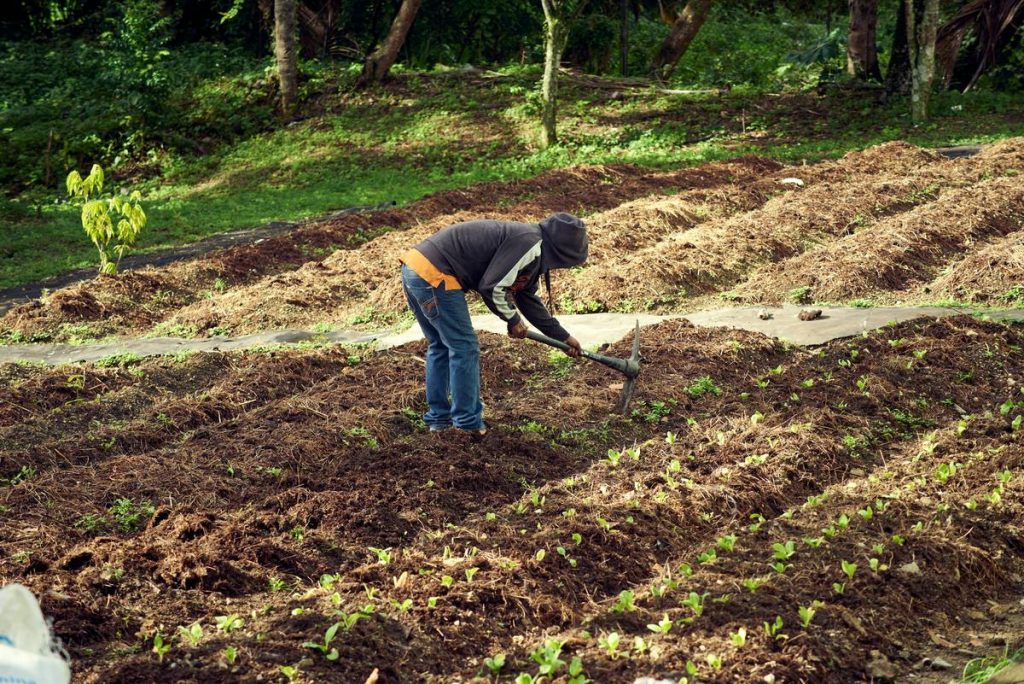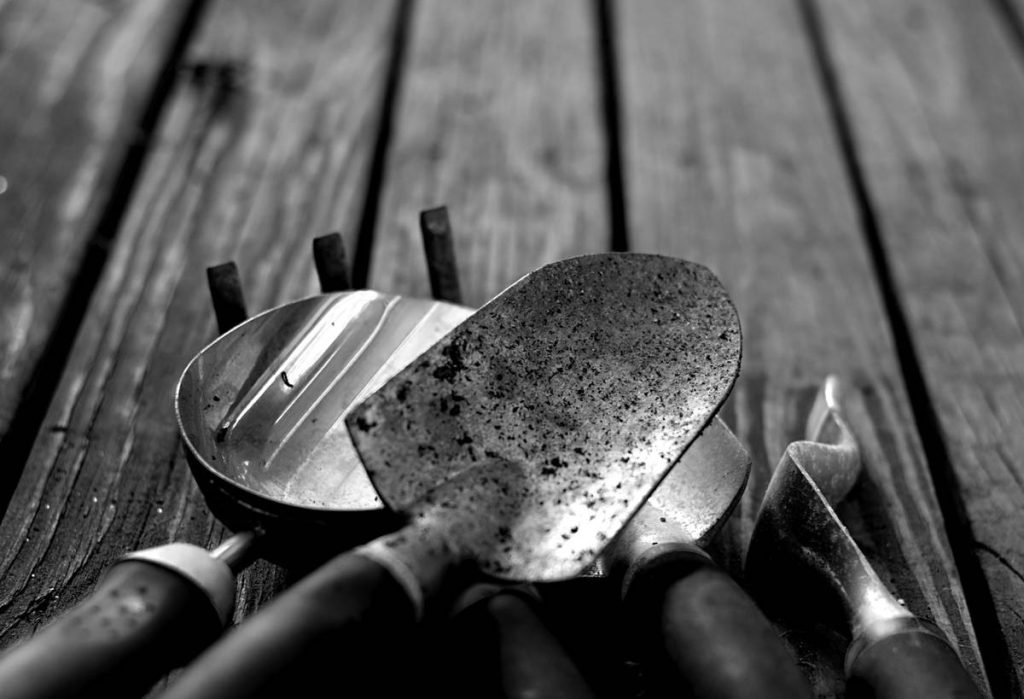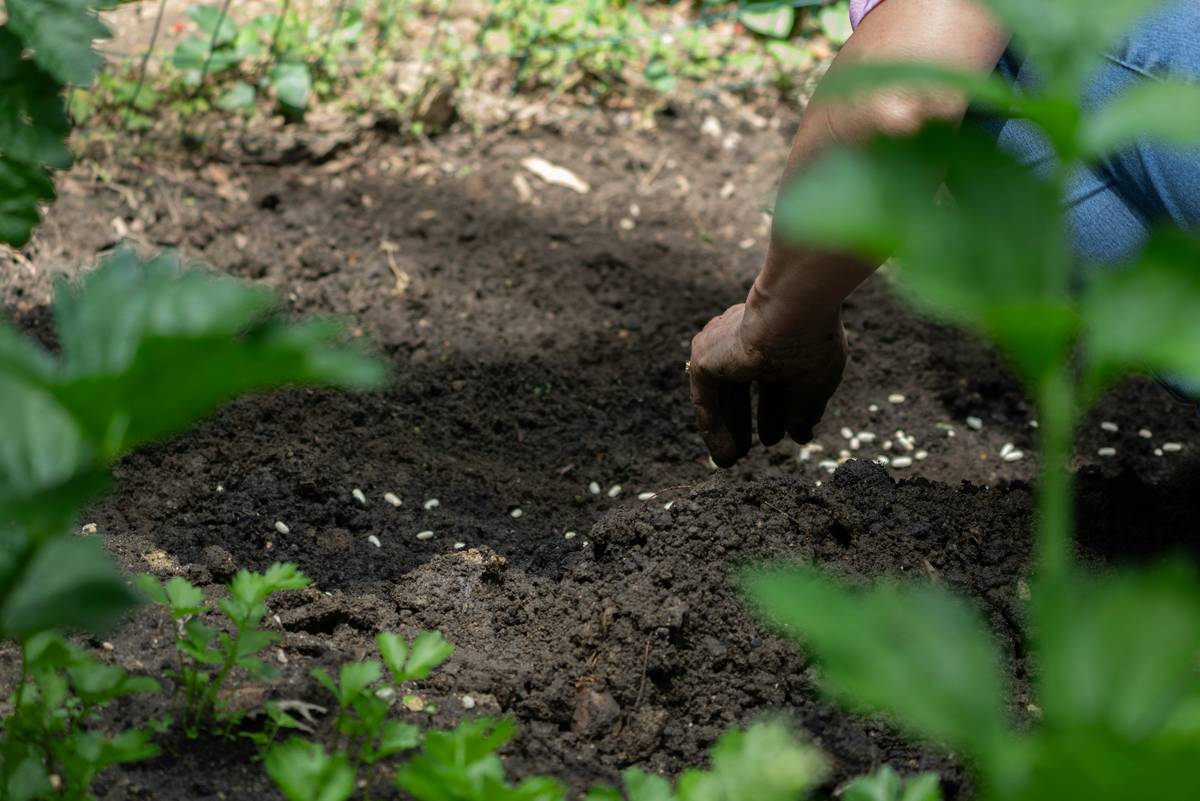
You bought a fancy “cultivator” because the label said it “aerates and loosens soil.” But now you’re standing in your backyard, wrist sore, dirt barely moved—wondering if this thing’s just a glorified rake. And you’re not alone. Most gardeners misuse cultivators because nobody explains their actual purpose. The solution? Stop treating it like a tiller. A gardening tool cultivator what is purpose isn’t brute-force digging—it’s precision soil refinement between rows, around roots, and after planting.
Why Most Gardeners Fail with Cultivators (And Waste Time)
They grab a cultivator expecting it to break new ground. Bad move. That’s what rototillers are for. Cultivators shine only in *established beds*. Using one on compacted, untouched soil is like using tweezers to chop firewood—frustrating and ineffective. And when folks force it, they bend tines, strain shoulders, and blame the tool instead of the method. The real problem? Confusing cultivation with initial tilling. Two different jobs. Two different tools.
gardening tool cultivator what is purpose: A Step-by-Step Guide to Doing It Right
Mastering the cultivator means respecting its niche: surface-level maintenance after your soil’s already workable.
Select the Right Type for Your Scale
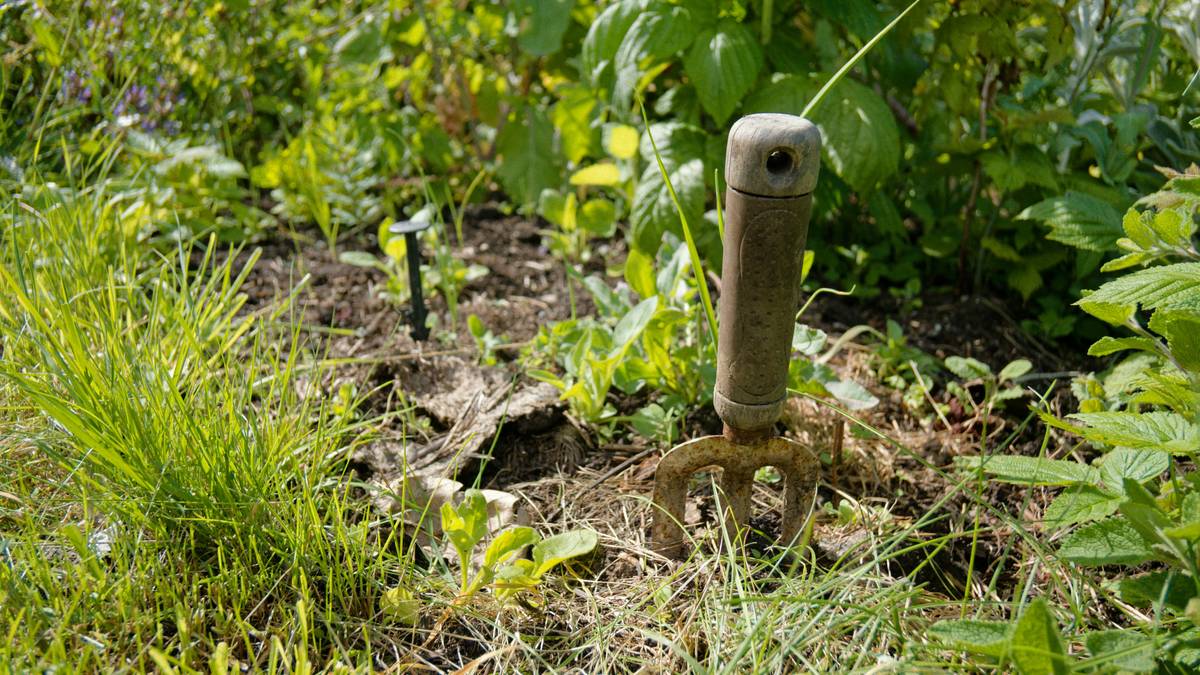
Hand-held claw cultivators handle containers and tight rows. Push-style rolling cultivators cover larger vegetable plots fast. Tractor-mounted ones? Overkill unless you’re farming half an acre. Match the tool to your actual growing area—not your ego.
Time It After Rain or Watering
Dry soil = dust clouds and snapped tines. Soggy soil = clumping mess. Wait until moisture levels are Goldilocks-zone: damp but crumbly. Then go shallow—just 1–3 inches deep.
Cultivate Between Rows, Not Over Plants
This is where 90% slip up. Glide the tines *between* established plants to kill weeds and fluff air pockets—never drag them over crowns or stems. Think of it as scalp surgery, not excavation.
| Task | Tool Type | Depth | Best For |
|---|---|---|---|
| Breaking virgin soil | Rototiller | 6–12 inches | Starting new beds |
| Weeding established beds | Hand cultivator | 1–2 inches | Herb gardens, containers |
| Aerating large veggie rows | Rolling cultivator | 2–3 inches | Tomatoes, carrots, beans |
| Post-harvest bed refresh | Hand or rolling | 1–3 inches | Mixing in compost lightly |
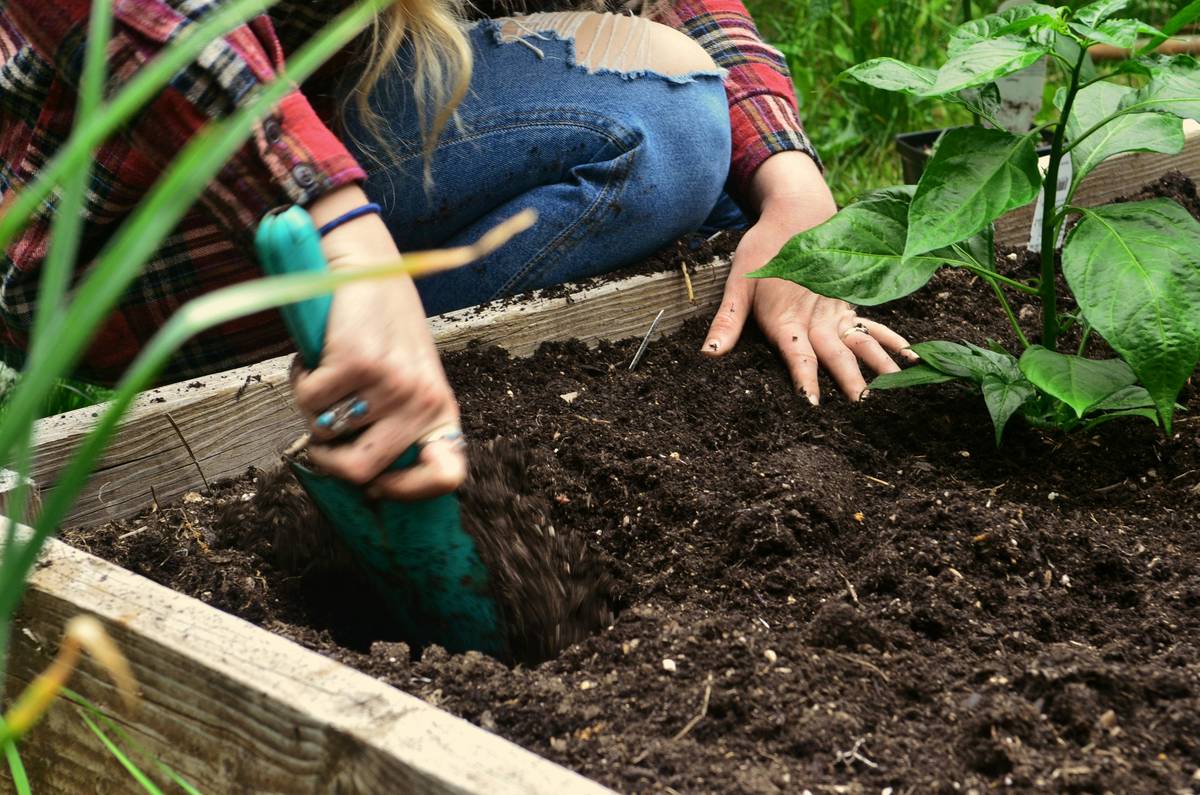
The Industry Secret: Cultivators Prevent More Problems Than They Solve
Here’s what big-box stores won’t tell you: consistent light cultivation reduces fungal diseases by disrupting spore-laden crusts on soil surfaces. University extension trials show beds cultivated weekly after rain had 40% fewer cases of damping-off in seedlings. It’s not about turning soil—it’s about interrupting nature’s decay cycle before it harms your plants. And because it’s low-effort, you’ll actually do it regularly. That’s the real ROI: prevention disguised as maintenance.
FAQ
What’s the difference between a cultivator and a tiller?
Tillers dig deep to break new ground. Cultivators work shallow in existing beds to weed and aerate—never use a cultivator for initial soil prep.
Can I use a cultivator on clay soil?
Only when slightly moist—not wet. Dry clay shatters tines; wet clay gums them up. Amend clay first with compost, then cultivate lightly.
How often should I use a cultivator?
Once every 7–10 days during growing season, especially after rain, to suppress weeds and maintain oxygen flow near roots.