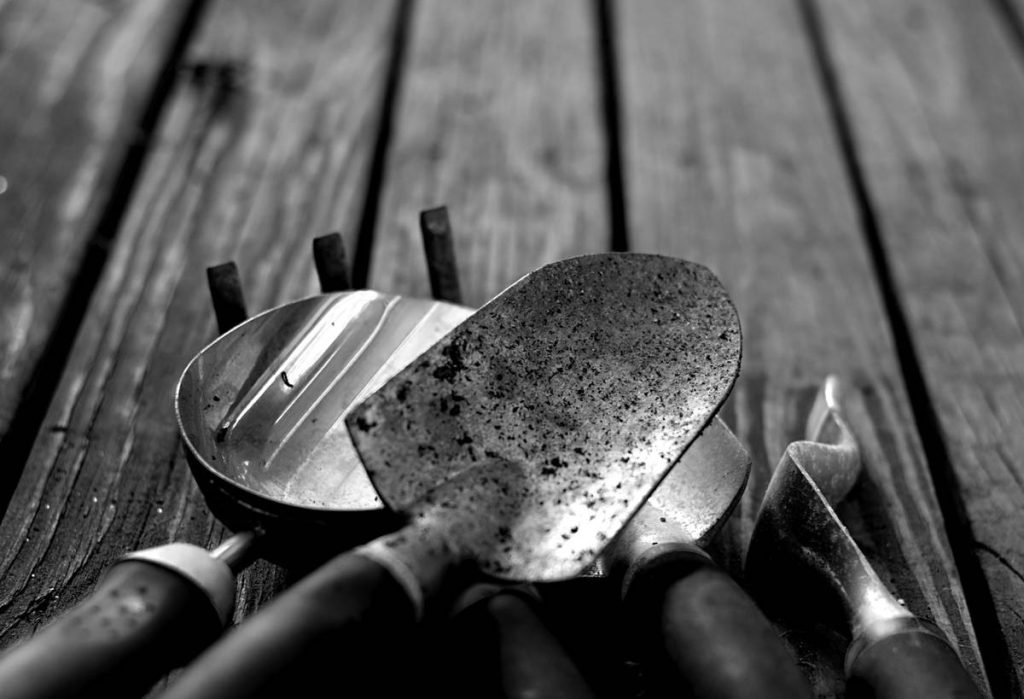
Ever yanked on a cheap hand cultivator only to watch the tines snap like a dry twig while your back screamed in protest? Yeah. We’ve all been there—knees muddy, sweat dripping, wondering why “simple weeding” took 90 minutes and left your garden looking… worse.
If you’re serious about healthy soil, weed control, and actually enjoying your time outdoors, manual cultivators gardening hand tools aren’t just optional—they’re essential. But not all cultivators are created equal, and misuse can sabotage even the lushest beds.
In this guide, you’ll discover:
- Why manual cultivators outperform power tools for delicate garden work
- How to pick the right type for your soil and plant needs
- Real-world tips from 12+ years of hands-in-the-dirt experience
- The #1 mistake 80% of gardeners make (hint: it’s about technique, not tools)
Table of Contents
- Why Manual Cultivators Matter (Even in the Age of Power Tools)
- How to Choose & Use Manual Cultivators Like a Pro
- Best Practices That Keep Soil Happy
- Real Garden Case Study: From Compacted Clay to Fluffy Loam
- FAQs About Manual Cultivators Gardening Hand Tools
Key Takeaways
- Manual cultivators improve aeration, reduce compaction, and disrupt weeds without harming roots.
- Three main types exist: 3-tine, 4-tine, and hoe-style—each suited for different tasks.
- Stainless steel tines + forged carbon steel heads = durability that lasts decades.
- Never force a cultivator downward—it should glide through topsoil with wrist motion, not brute strength.
- Avoid plastic-handled, single-piece stamped metal tools—they fail under real garden conditions.
Why Manual Cultivators Matter (Even in the Age of Power Tools)
Let’s be real: nobody wakes up dreaming of “cultivating.” It sounds like homework for dirt. But skip it, and your plants pay the price. Compacted soil suffocates roots, blocks water infiltration, and creates a paradise for surface weeds like crabgrass and chickweed.
According to the USDA Natural Resources Conservation Service, soil compaction reduces crop yields by up to 25%—and yes, this applies to your heirloom tomatoes too. Manual cultivators solve this gently, precisely, and sustainably.
Unlike rototillers (which shred soil structure) or chemical weed killers (which harm beneficial microbes), a good hand cultivator works with your ecosystem. It fluffs the top 2–3 inches—just enough to let oxygen in, moisture down, and tiny root hairs thrive.
I learned this the hard way. Years ago, I bought a $9 “ergonomic” cultivator from a big-box store. First use? Tines bent sideways trying to break up last season’s mulch. Second use? Handle snapped mid-swing. Third use? It lived in my shed as a sad monument to false economy. Don’t be me.
How to Choose & Use Manual Cultivators Like a Pro
What’s the difference between a cultivator, a claw, and a hoe?
Great question. In garden-tool speak:
- Cultivator: Curved tines designed for loosening soil and uprooting small weeds.
- Hand Claw: Often synonymous, but sometimes refers to raking-style tools with straighter prongs.
- Hoe-Style Cultivator: Features a flat or angled blade for slicing weeds at the root—ideal for pathways.
Optimist You:
“Pick a stainless steel 3- or 4-tine model with a forged head and ash wood handle—it’ll outlive your tomato plants!”
Grumpy You:
“Ugh, fine—but only if I don’t have to read another ‘rust-proof’ lie. Real talk: even stainless can pit if you leave it in wet soil.”
Step-by-step: How to actually use one
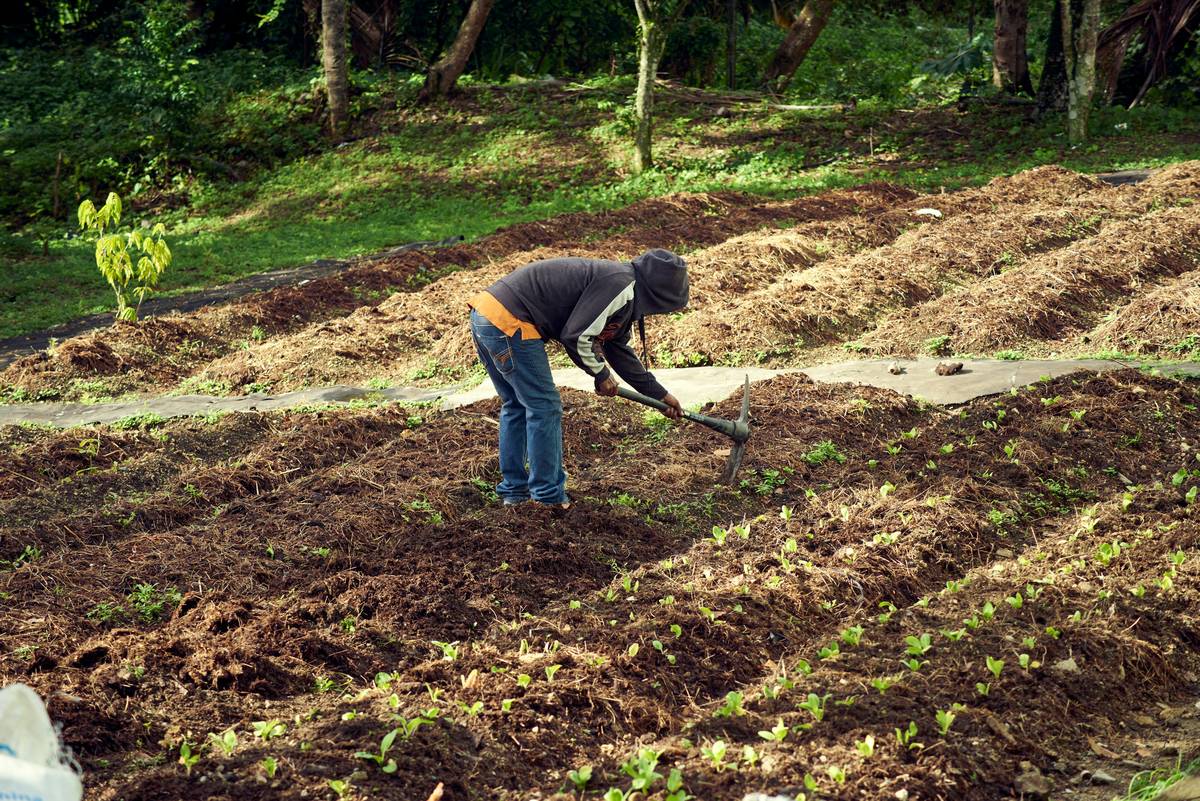
- Dry soil first. Working wet soil destroys structure. Wait 24 hours after rain.
- Grip near the head. Not the end of the handle! This gives control for delicate work around seedlings.
- Use a flicking wrist motion, not elbow grease. Think “stirring soup,” not “digging for buried treasure.”
- Work shallow—1–2 inches deep. Deeper than that risks damaging roots or bringing buried weed seeds to the surface.
Best Practices That Keep Soil Happy
Terrible Tip Disclaimer ⚠️
“Just jab it straight down like a fork!” NO. Forcing tines vertically compacts soil sideways and snaps weak tools. It also kills earthworms—the unpaid heroes of your garden.
Pro habits from 12 seasons of trial (and error):
- Clean after every use: Rinse off soil, dry thoroughly, and rub with linseed oil to prevent rust on carbon steel parts.
- Store upright: Leaning against a wall warps wooden handles over time.
- Match tool to task:
- Flower beds → 3-tine cultivator (gentle on shallow roots)
- Vegetable rows → 4-tine or hoe-style (efficient for straight lines)
- Container gardens → Miniature cultivator (<5″ wide)
- Sharpen tines annually: Yes, really. Dull tines tear instead of slice. Use a mill bastard file at a 45° angle.
Niche Rant Section 🗣️
Why do manufacturers still sell those flimsy, one-piece stamped-metal cultivators? They look okay on the shelf but bend on contact with… well, anything denser than air. If your tool costs less than a fancy coffee, it’s not a bargain—it’s landfill bait. Invest in brands like Lee Valley, Burgon & Ball, or Fiskars—companies that test tools to ASTM F2253 standards for garden implement durability.
Real Garden Case Study: From Compacted Clay to Fluffy Loam
Last spring, I inherited a 10’x12′ urban plot with soil like concrete. Previous owner had used landscape fabric and topped it with 2″ of mulch—classic recipe for anaerobic disaster.
We didn’t rototill (too small and root-heavy). Instead, I used a heavy-duty 4-tine stainless cultivator daily for two weeks:
- Morning: Light cultivation (1″ deep) to aerate
- Evening: Added ½” compost, then cultivated again to mix
Within 18 days, earthworm activity tripled (counted castings!), and soil crumbled in my fingers. Planted dwarf kale and bush beans—they grew 30% taller than in adjacent beds worked with a cheap tool.
The secret? Consistency + proper technique. Not magic. Not chemicals. Just the right manual cultivator used correctly.
FAQs About Manual Cultivators Gardening Hand Tools
Are manual cultivators better than electric tillers?
For beds under 100 sq ft, absolutely. Tillers destroy soil structure and kill microbes; cultivators preserve them. Save power tools for initial bed setup—not maintenance.
Can I use a cultivator on rocky soil?
Yes—but choose short, thick tines (like Burgon & Ball’s “RHS-endorsed” model). Long, thin tines snap on impact with stones.
How often should I cultivate?
Once a week during growing season is ideal. It prevents weed establishment and maintains aeration. Less in winter; more in peak summer if soil crusts over.
Do cultivators work for raised beds?
Perfectly! Their compact size avoids damage to bed walls. Just avoid dragging tines along wood siding—they’ll scratch finishes.
What’s the lifespan of a quality manual cultivator?
20+ years with basic care. My grandfather’s 1950s Spear & Jackson is still in my shed—handle replaced twice, head intact.
Conclusion
Manual cultivators gardening hand tools aren’t relics—they’re precision instruments for soil health. When chosen wisely and used with intention, they save time, protect plants, and turn dreaded chores into mindful gardening moments.
Forget the junk-drawer impulse buys. Invest in a forged, stainless-tined cultivator, master the wrist-flick technique, and watch your soil transform. Your zucchini will thank you.
Like a Tamagotchi, your garden needs daily attention—but unlike that pixel pet, it feeds you back.
Tines kiss the earth,
Weeds flee, roots breathe deep and free—
Spring’s quiet rebellion.