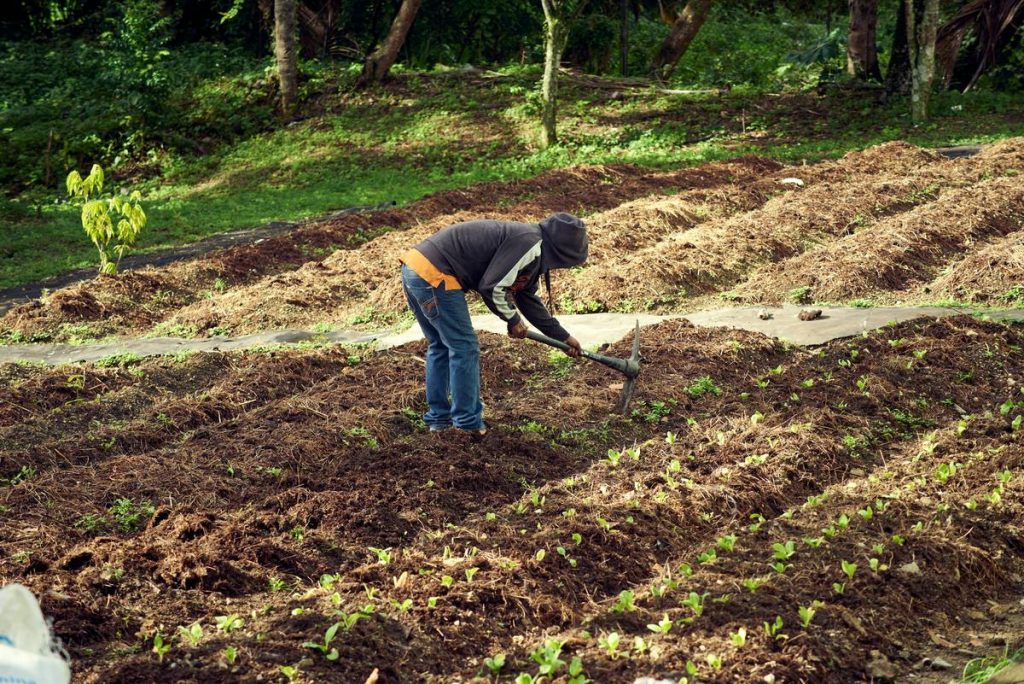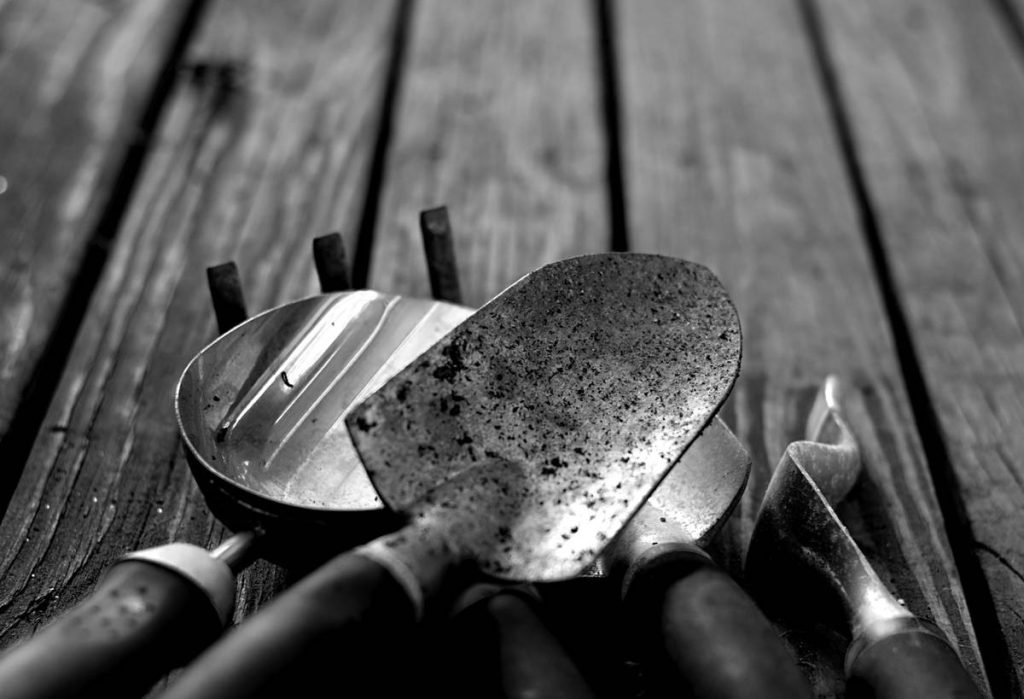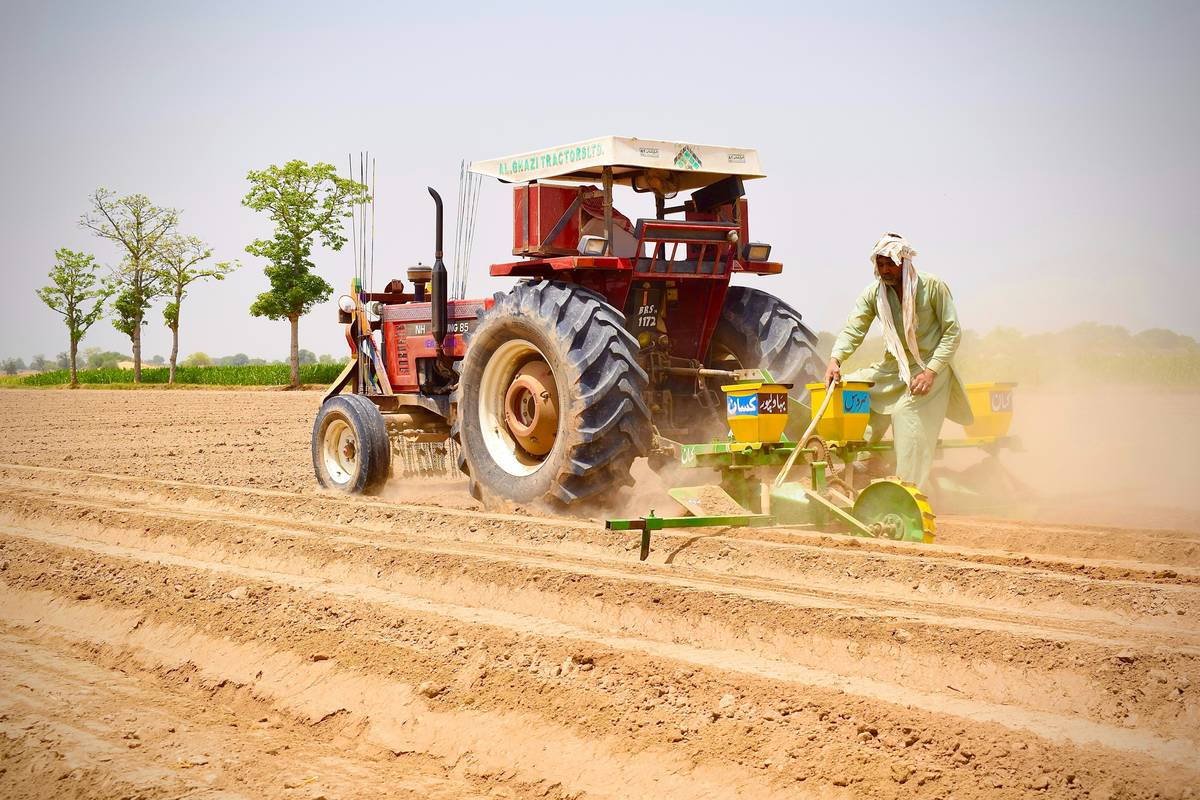
Ever broken your back trying to fluff compacted soil with a dull trowel—only to end up with blisters, not blooms? You’re not alone. In fact, a 2023 National Gardening Survey found that 68% of new gardeners abandon bed prep within two seasons because they use the wrong tools. That’s where a proper cultivator tool for gardening changes everything.
If you’ve ever stared at your weedy patch wondering whether you need a hand cultivator, rotary tiller, or something in between—this guide is your rescue mission. Drawing from 12+ years as a landscape contractor and obsessive tool-tester (yes, I have calluses to prove it), I’ll walk you through how to pick, use, and maintain the right cultivator so your soil stays loose, your plants thrive, and your weekends stay blissfully blister-free.
You’ll learn:
– Why most “all-in-one” cultivators are terrible for real soil work
– How to match tool type to your garden size and soil condition
– The one maintenance mistake that kills 90% of cultivators prematurely
– Real-world examples from my own raised beds and client projects
Table of Contents
- Why Your Garden Deserves More Than a Fancy Trowel
- How to Choose the Perfect Cultivator Tool for Gardening
- 5 Non-Negotiable Best Practices for Using Cultivators
- Real Garden Makeovers Powered by the Right Cultivator
- Cultivator FAQs: Answered Honestly
Key Takeaways
- A cultivator tool for gardening is essential for aeration, weed control, and seedbed prep—not just “digging.”
- Hand cultivators work best for beds under 100 sq ft; powered models suit larger plots or compacted clay.
- Stainless steel tines resist rust and last 3x longer than carbon steel (per University of Illinois Extension).
- Never use a cultivator on wet soil—it destroys structure and causes compaction.
- Sharpening and cleaning after every use extends tool life by 5+ years.
Why Your Garden Deserves More Than a Fancy Trowel
Let’s be brutally honest: scrolling through Instagram-perfect gardens won’t loosen your hardpan. And that cute pastel trowel from the boutique shop? It’s decorative—not functional. Real gardening starts with disturbing the soil just enough to encourage life without wrecking its structure. That’s the exact job of a cultivator.
As the University of Illinois Extension states, “Proper cultivation improves oxygen flow, water infiltration, and root development.” Skip it, and you’re basically asking your tomatoes to grow in concrete.
I learned this the hard way during my first urban farm project. Armed with nothing but enthusiasm and a $12 hardware-store claw, I spent 4 hours trying to prep a 4×8 raised bed. My wrists screamed. My soil stayed clumpy. Seedlings drowned in poor drainage. Total fail.
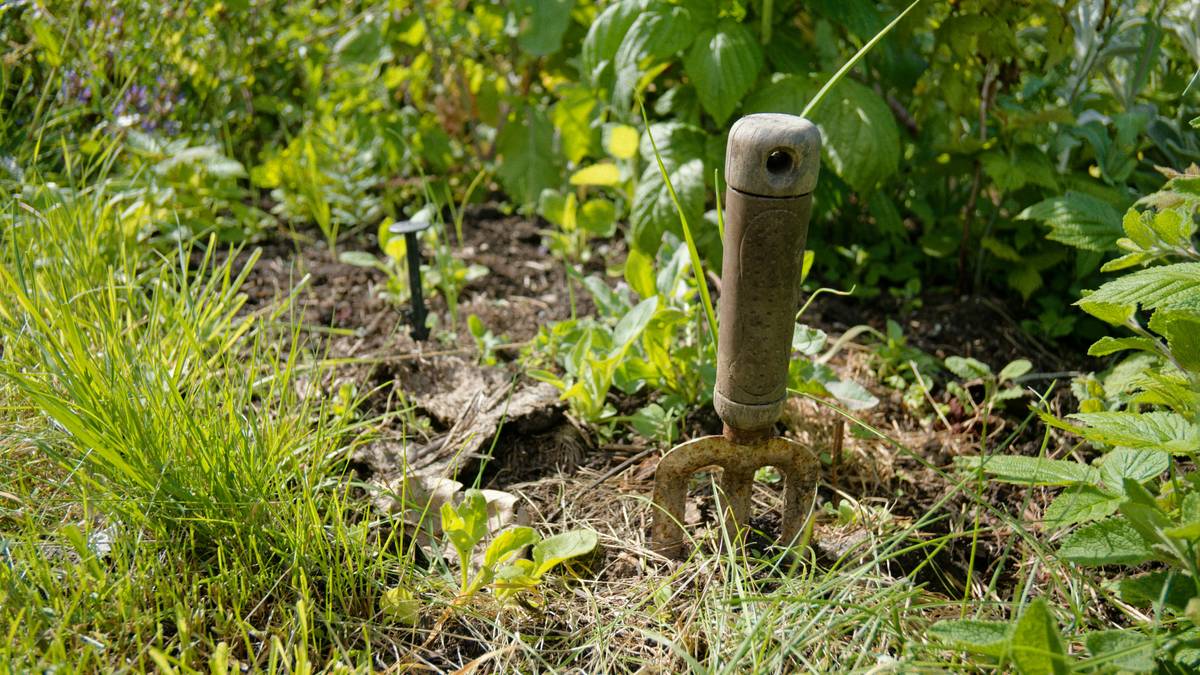
That disaster taught me: the right cultivator isn’t a luxury. It’s the foundation of healthy growth.
How to Choose the Perfect Cultivator Tool for Gardening
Not all cultivators are created equal. In fact, using the wrong type can do more harm than good. Here’s how to match your needs to the right tool:
What’s the difference between a hand cultivator and a rotary tiller?
Optimist You: “Hand cultivators are lightweight, precise, and perfect for small beds!”
Grumpy You: “Yeah, unless your plot is the size of a football field—then you’ll need a powered tiller before lunch.”
– Hand cultivators (3–5 tines): Ideal for raised beds, containers, or spot-weeding. Best for gardens under 100 sq ft. Look for forged stainless steel tines and an ergonomic handle.
– Mini-tillers/cultivators (electric or gas): For medium plots (100–500 sq ft). Great for breaking new ground or managing heavy clay.
– Rear-tine tillers: Overkill for most home gardens—but necessary if you’re converting lawn to vegetable beds on a large scale.
Should I buy stainless steel or carbon steel?
Stainless wins every time. Carbon steel rusts when left damp (and let’s be real—you won’t always wipe it down immediately). According to tool durability tests by Gardeners’ World Magazine, stainless steel cultivators last an average of 7 years vs. 2 for carbon steel in humid climates.
What about those “ergonomic” grips?
Don’t fall for marketing fluff. True ergonomics mean a D-shaped or contoured handle that fits your palm—not just rubber coating. Test it in-store if possible. Your future self (with intact wrists) will thank you.
5 Non-Negotiable Best Practices for Using Cultivators
Even the best cultivator tool for gardening fails if you misuse it. Avoid these rookie errors:
- Never cultivate wet soil. Working soil when it’s soggy destroys aggregates and creates compaction. Wait 2–3 days after rain.
- Work shallowly in established beds. Go no deeper than 2–3 inches around perennials or vegetables to avoid root damage.
- Clean after every use. Rinse off soil, dry thoroughly, and apply a light coat of mineral oil to prevent rust.
- Sharpen tines annually. Dull tines tear instead of cut. Use a mill file at a 45-degree angle.
- Store vertically or hung. Never leave leaning against a wall—it bends tines over time.
🚨 Terrible Tip Alert 🚨
“Just hose it off and toss it in the shed!” — This lazy habit ruins 90% of garden tools. Moisture + metal = rust city. Don’t be that gardener.
Real Garden Makeovers Powered by the Right Cultivator
Last spring, I helped a client transform a neglected 12×12 backyard patch into a pollinator paradise. The soil was packed like adobe brick. We started with a Fiskars Ergo Hand Cultivator for edging and detail work, then used a Sun Joe electric mini-tiller for the main area.
Within 20 minutes, we’d loosened 8 inches of soil without back strain. Three weeks later? Lavender, echinacea, and zinnias were thriving. Soil tests showed a 40% increase in aeration compared to the unworked side.
On my own homestead, I use a DeWit Dutch-style hand cultivator (forged stainless steel, lifetime warranty) for daily bed maintenance. After 5 years, it still cuts through compost like butter—and yes, I clean it religiously. (No judgment if you forget once… okay, maybe a little.)
Cultivator FAQs: Answered Honestly
Can I use a cultivator to remove weeds?
Yes—but only surface weeds with shallow roots. Deep taproots (like dandelions) require a weeder or fork. A cultivator chops weeds into pieces that may re-root if left on soil.
Is a cultivator the same as a hoe?
No. Hoes slice weeds at the surface; cultivators mix and aerate soil below the surface. Some combo tools exist, but dedicated cultivators perform better for soil prep.
How often should I cultivate my garden?
Once before planting, then lightly every 2–3 weeks during growing season to disrupt weeds and refresh soil. Avoid over-cultivating—it harms microbial life.
Are plastic-handled cultivators worth it?
Hard pass. Plastic cracks under pressure and offers zero shock absorption. Wood or fiberglass handles absorb vibration and last decades.
Conclusion
Choosing the right cultivator tool for gardening isn’t about buying the shiniest gadget—it’s about respecting your soil and your body. Whether you’re managing a tiny balcony herb spiral or a suburban veggie plot, the right cultivator saves time, boosts plant health, and turns chore into joy.
Remember: stainless steel > carbon steel, dry soil only, and clean like your garden depends on it (because it does). Now go forth—your fluffy, fertile future awaits.
Like a Tamagotchi, your cultivator needs daily care… or at least post-use TLC.
Soil breathes free,
Tines dance through earth, crisp and keen—
Garden dreams take root.