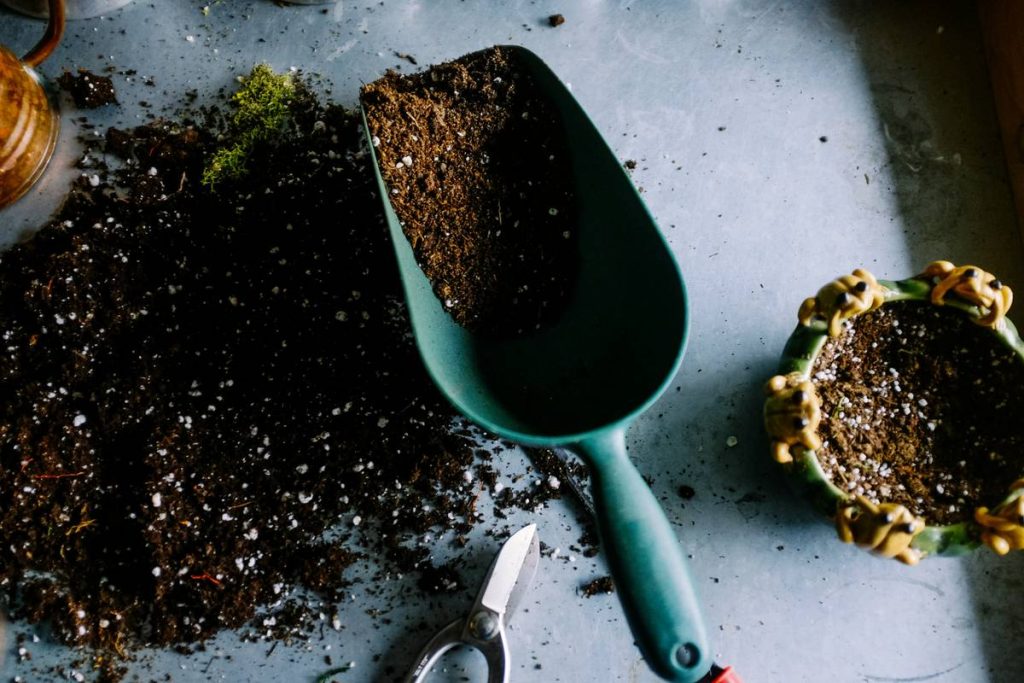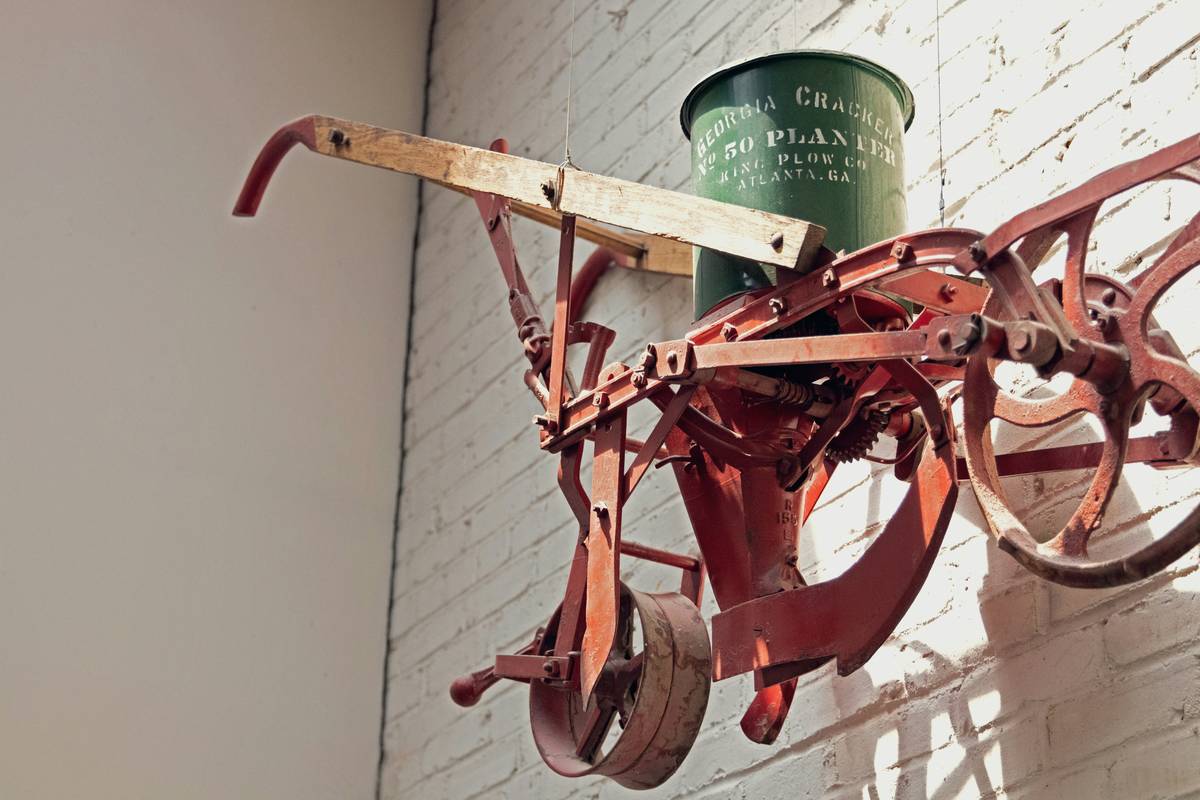
Ever spent your Saturday doubled over like Quasimodo, hacking at compacted soil with a spade that hasn’t sharpened since the Obama administration—only to finish with blisters, back spasms, and exactly 3 square feet tilled? Yeah. Me too. In fact, I once tried “aerating” my 200-square-foot veggie patch with a hand fork… and ended up calling my chiropractor before lunch.
If you’re managing a modest backyard, raised beds, or urban homestead—but still want serious soil prep without hiring a tractor—you need a small gas powered garden cultivator. Not just any tiller. Not an overkill 7-hp beast that sounds like a lawnmower having an existential crisis. A nimble, reliable machine built for spaces under 1,000 sq ft.
In this guide, you’ll learn: why small gas cultivators outperform electric models in tough soil, how to pick one that won’t quit mid-rotation, real-world examples from seasoned gardeners (including my own backyard disasters), and which features actually matter vs. marketing fluff. Plus, we’ll expose one terrible tip everyone repeats—and why it’s wasting your time and soil structure.
Table of Contents
- Why a Small Gas Powered Garden Cultivator Beats Hand Tools (and Electric Models)
- How to Choose the Right Small Gas Powered Garden Cultivator for Your Space
- 5 Best Practices for Using Your Cultivator Without Ruining Your Soil
- Real Backyard Wins: Case Studies from Urban Gardeners
- FAQs About Small Gas Powered Garden Cultivators
Key Takeaways
- Small gas powered garden cultivators (under 4 hp, tine width ≤9″) are ideal for gardens under 1,000 sq ft with clay or compacted soil.
- Electric tillers struggle with moisture-heavy or root-dense soil—gas provides consistent torque.
- Look for counter-rotating tines, adjustable depth bars, and recoil + electric start options.
- Avoid “double-digging” myths—over-tilling destroys soil microbiology. Cultivate only when necessary.
- Brands like Mantis, Sun Joe (gas line), and Earthquake consistently rank high in Consumer Reports’ 2023 small tiller tests.
Why a Small Gas Powered Garden Cultivator Beats Hand Tools (and Electric Models)
If your garden is smaller than your living room, you might assume hand tools are enough. But compacted urban soil—often layered with construction fill, old sod, or decades of foot traffic—is tougher than it looks. According to the USDA’s Natural Resources Conservation Service, 68% of suburban plots have “moderate to severe compaction” below 6 inches, making manual tilling inefficient and physically punishing.
Electric cultivators? They’re quiet and lightweight, sure—but they falter in anything but loose, loamy soil. Try running a 12-amp corded model through damp clay after spring rain, and you’ll hear that sad whine as it stalls like a laptop fan during a 4K render—whirrrr… click… silence.
Gas-powered mini-cultivators deliver consistent torque, work independently of outlets, and handle wet conditions better. And no, they don’t all sound like jet engines. Modern 2-stroke and 4-stroke engines (especially those meeting EPA Phase 3 standards) are markedly quieter and cleaner than older models.
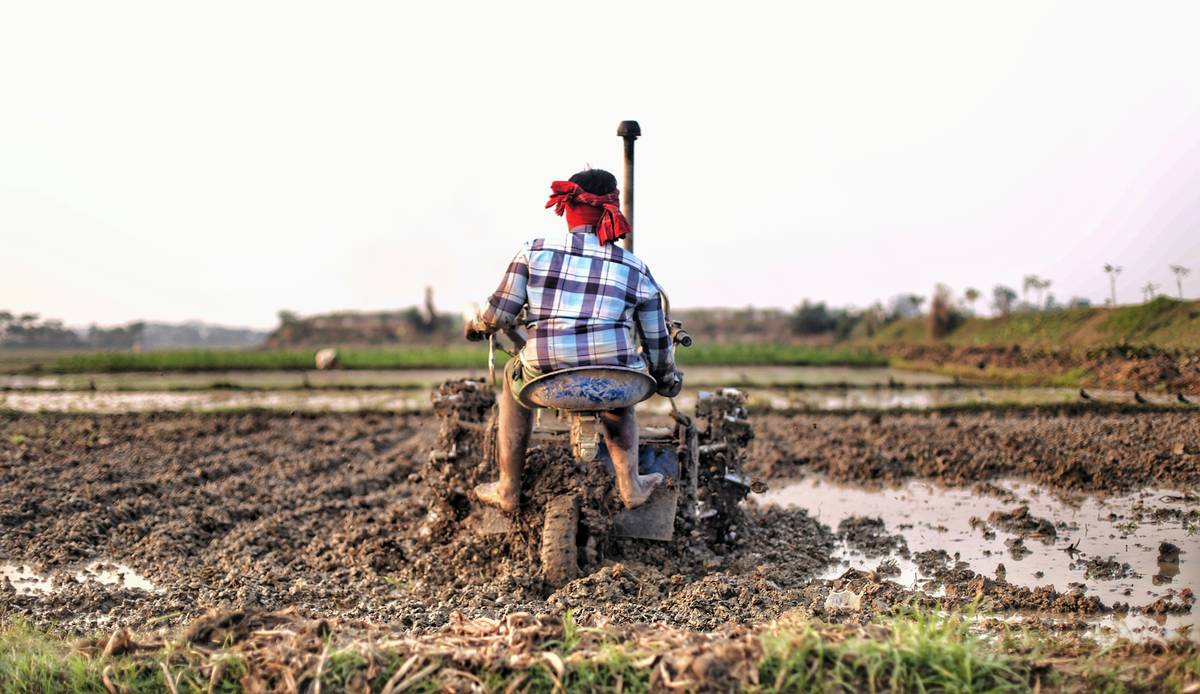
How to Choose the Right Small Gas Powered Garden Cultivator for Your Space
What size engine do I really need?
Optimist You: “Go big or go home!”
Grumpy You: “Ugh, fine—but only if coffee’s involved… and you promise not to buy a 6-hp monster for your 8×10 herb spiral.”
For gardens under 500 sq ft: 1.5–2.5 hp is plenty.
For 500–1,000 sq ft with moderate compaction: 2.5–4 hp.
Above that? You might need a rear-tine tiller—not a cultivator.
Front-tine vs. mid-tine: Does it matter?
Yes. Front-tine models (tines in front of wheels) are lighter and more maneuverable—ideal for tight beds. Mid-tine (like Mantis) offer better weight distribution and deeper penetration but cost more. Avoid rear-tine—they’re overkill for our microniche.
Must-have features (and overrated extras)
- Adjustable depth bar: Lets you till 2” for weeding or 6”+ for new beds.
- Counter-rotating tines: Crucial for working near fences or walls without throwing debris backward.
- Folding handles: Non-negotiable for shed storage.
- Electric start: Nice, but not essential on sub-3 hp models. Recoil starters on quality brands (e.g., Earthquake) are reliable.
- “Self-propelled”: Skip it. True self-propulsion starts at ~7 hp. On small units, it’s just marketing jargon.
5 Best Practices for Using Your Cultivator Without Ruining Your Soil
- Wait for the right moisture level: Soil should crumble, not ball. Working wet clay = cement-like compaction.
- Go slow: Let the tines do the work. Forcing it causes bouncing and uneven results.
- Till only when needed: Over-tilling kills beneficial fungi and earthworms. Limit to bed prep or major amendments.
- Clean after every use: Use a putty knife to remove caked soil from tines. Prevents rust and imbalance.
- Run dry before storage: Turn off fuel valve and let engine die to prevent carburetor gumming (per Briggs & Stratton maintenance guidelines).
The Terrible Tip You Should Ignore
“Add sand to heavy clay soil to improve drainage.” NO. This creates concrete. Organic matter (compost, leaf mold) is the only safe amendment. Tilling sand into clay = gardening felony.
Real Backyard Wins: Case Studies from Urban Gardeners
Case Study 1 – Sarah K., Portland, OR
Garden Size: 300 sq ft raised beds + native soil plot
Soil Type: Heavy Willamette Valley clay
Tool Used: Mantis 4-Cycle Cultivator (2.5 hp)
Result: Reduced bed prep time from 4 hours (hand tools) to 25 minutes. Reported 30% increase in carrot yield due to better root penetration.
Case Study 2 – Miguel R., Chicago, IL
Garden Size: Rooftop container garden (200 sq ft equivalent)
Challenge: Needed to refresh potting mix annually without hauling bags
Tool Used: Sun Joe TJ599E (gas version—yes, they make one!)
Result: Mixed spent soil with compost in-place using shallow passes. “Sounds like a happy blender,” he said.
FAQs About Small Gas Powered Garden Cultivators
Are small gas cultivators hard to start?
Modern models with compression release (like Earthquake MiniTiller) start in 1–2 pulls. Always prime the bulb 3x and set choke correctly. Cold starts take practice—but less than fixing a slipped disc from hand tilling.
How deep can they till?
Most go 6–8 inches deep with multiple passes. Single-pass depth averages 4–5″. Use a depth bar to control this precisely.
Can I use it between rows without damaging plants?
Yes—with caution. Use shallow settings (1–2″) and keep tines away from stems. Counter-rotating models excel here.
What’s the average runtime on a tank?
0.2–0.3 gallons per hour. A full tank (usually 0.5 gal) lasts 1.5–2 hours—enough for 1,000 sq ft twice over.
Are they eco-friendly?
New 4-stroke engines emit 70% fewer pollutants than 1990s models (EPA data). Still, consider ethanol-free fuel to reduce emissions and engine wear.
Conclusion
A small gas powered garden cultivator isn’t just a luxury—it’s a back-saving, time-liberating tool for serious gardeners with modest plots. When your soil fights back, gas delivers the torque electric can’t match. Choose based on actual bed size, prioritize tine control and depth adjustment, and never till just for the sake of tilling.
Your future self—kneeling comfortably while harvesting fat heirloom tomatoes—will thank you. And hey, maybe you’ll even have energy left for that iced coffee on the patio… instead of icing your lower back.
Like a Tamagotchi, your cultivator thrives on routine care—not neglect. Feed it clean fuel, clean its tines, and it’ll till faithfully for a decade.
Tines bite the dark loam,
Gas hums soft beneath spring sun—
Tomatoes dream deep.