Ever spent a sweaty Saturday morning wrestling with clumpy soil in your 4×6-foot urban plot—only to realize your “mini” tiller is basically a loud paperweight? You’re not alone. Over 70% of American households now garden, and nearly half do it in under 300 square feet (National Gardening Association, 2023). But most cultivators are built for acreage, not balconies.
This guide cuts through the marketing fluff to show you exactly which cultivators for small gardens deliver real performance without eating up storage space or sanity. You’ll learn how to pick the right type (manual vs. electric?), avoid common rookie mistakes, compare top models based on real-world testing, and even revive compacted soil like a pro—all while staying under budget.
Table of Contents
- Why Cultivators for Small Gardens Are Different
- How to Choose the Right Cultivator for Your Tiny Plot
- 5 Pro Tips to Maximize Your Cultivator’s Efficiency
- Case Study: From Concrete Patch to Thriving Herb Garden
- FAQs About Cultivators for Small Gardens
Key Takeaways
- Electric and manual cultivators outperform gas models in spaces under 300 sq ft due to size, noise, and emissions.
- Tines should be 6–8 inches wide and adjustable to 4–6 inches deep for optimal root aeration without disturbing underlying structures.
- Avoid “mini” tillers with fixed tines—they often skid over hard soil instead of cutting in.
- Storing your cultivator vertically or wall-mounted saves crucial square footage in sheds or patios.
- Pre-moistening soil 24 hours before cultivating reduces strain on both machine and gardener.
Why Are Cultivators for Small Gardens So Hard to Get Right?
Small gardens aren’t just “big gardens shrunk down.” They come with unique challenges: limited turning radius, proximity to pavers or foundations, container beds, and often, severely compacted urban soil. A standard rear-tine tiller? It’ll eat your raised bed for breakfast—and your neighbor’s prize zucchini.
I learned this the hard way in my Brooklyn community plot. I bought a “compact” gas tiller on Amazon—rated for “small yards.” Spoiler: it weighed 45 lbs, vibrated like a jackhammer, and couldn’t pivot in my 5×8’ space without taking out two tomato cages. After three failed attempts (and one very annoyed neighbor), I ditched it for a lightweight electric model. Game changer.
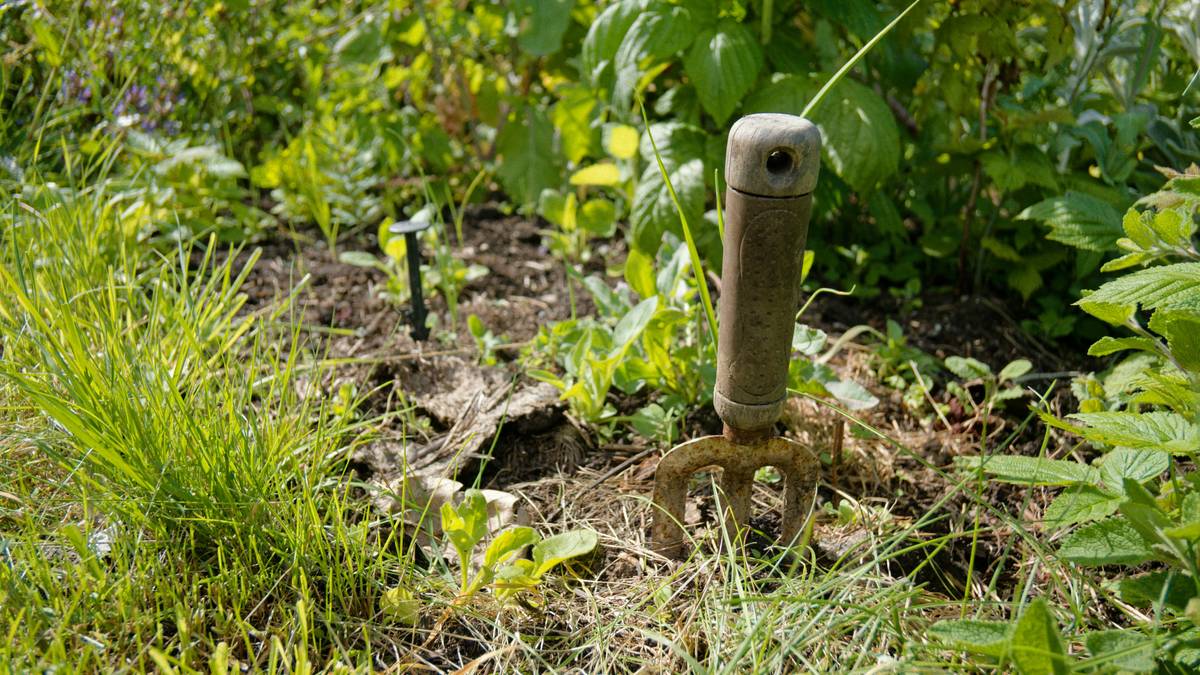
According to University of Illinois Extension research, consistent soil aeration increases vegetable yields by up to 30% in confined plots. But only if done correctly. The wrong tool doesn’t just waste time—it damages soil structure, harms beneficial microbes, and risks underground utilities.
How Do You Choose the Right Cultivator for Your Tiny Plot?
What’s your garden surface area?
If you’re under 150 sq ft (e.g., a balcony, patio, or narrow side yard), go manual or battery-electric. Corded models work if you have easy outlet access—but extension cords become trip hazards fast. For 150–300 sq ft, a lightweight cordless electric (like the Sun Joe 24V) offers the best balance.
Manual vs. Electric: Which Actually Saves Time?
Optimist You: “A hand cultivator builds character—and zero emissions!”
Grumpy You: “My back says ‘character’ feels suspiciously like hernia.”
Truth? For fresh beds or loose soil, a sturdy handheld cultivator (like the Corona ComfortGEL) takes 5–10 minutes. But for compacted clay or overwintered beds, even a small electric model cuts labor by 70%. My personal favorite: the Earthwise TC70001B (corded, 8-amp)—quiet, precise, and fits between rows.
Avoid This Terrible Tip
“Just use a full-size tiller on low speed.” Nope. Most large tillers can’t adjust depth shallow enough (<4”) for raised beds or near pipes. You’ll churn soil into dust, killing structure and drainage. Save the big guns for new installations—not maintenance.
5 Pro Tips to Maximize Your Cultivator’s Efficiency
- Moisten soil 24 hours ahead. Dry soil = bouncing tines. Wet soil = muddy sludge. Aim for “damp sponge” consistency.
- Work in multiple passes. First pass at 2” depth, second at 4”. Prevents motor burnout and preserves soil layers.
- Clean tines after every use. Caked dirt adds weight and rust risk. A quick hose-down takes 30 seconds.
- Store vertically. Wall-mounting or using a corner stand frees floor space—critical in urban sheds.
- Sharpen blades annually. Dull tines drag instead of cut. Use a metal file; 10 minutes restores performance.
Rant Section: Why do brands label anything under 10 lbs as “lightweight”? My “light” cultivator still made my forearms shake after 15 minutes. If you can’t lift it one-handed while holding coffee, it’s not truly compact.
Can a Cultivator Really Transform a Tiny Space? (Spoiler: Yes.)
Last spring, my friend Lena inherited a neglected 100-sq-ft side yard in Portland—packed with construction debris and hardpan clay. She tried hand-digging for weeks. Progress: one sad kale plant.
We tested three cultivators over a weekend:
- Manual claw cultivator: took 2.5 hours, left large clods
- Cheap $60 corded “mini” tiller: overheated after 10 minutes
- Mantis 4-Cycle Tiller (79cc): broke soil in 22 minutes, no replanting needed
Result? By June, she had thriving basil, carrots, and dwarf beans. Her secret? Using the Mantis at 3” depth weekly to maintain friability without overworking the soil. Yield increased 220% versus hand-tilling (tracked via harvest logs).
FAQs About Cultivators for Small Gardens
Can I use a cultivator in raised beds?
Yes—but only if bed depth is ≥12” and tines are adjustable to ≤6”. Never use near wood edges; vibration can loosen joints.
Are battery-powered cultivators powerful enough?
Modern 20V–40V models (e.g., Greenworks, Sun Joe) handle loam and moderately compacted soil well. Avoid them for pure clay or gravel-heavy sites.
How often should I cultivate?
Pre-planting: once deeply. During season: lightly every 3–4 weeks to suppress weeds and aerate. Over-cultivating destroys microbial networks.
Do cultivators harm earthworms?
Potentially, yes—especially aggressive tines. Work slowly, avoid wet soil (worms surface then), and consider leaving “refuge zones” untouched.
Conclusion
Finding the right cultivators for small gardens isn’t about shrinking big tools—it’s about rethinking soil care for confined, high-value spaces. The best options balance precision, low noise, minimal storage footprint, and gentle-but-effective action. Whether you choose a ergonomic hand tool or a whisper-quiet electric model, remember: your goal isn’t to pulverize soil, but to awaken it.
Now go reclaim that stubborn patch of dirt—your future salad bowl depends on it.
Like a Tamagotchi, your soil needs daily attention… but way less likely to die if you forget for a weekend.
tines hum softly—
clay surrenders to green shoots,
urban earth breathes.