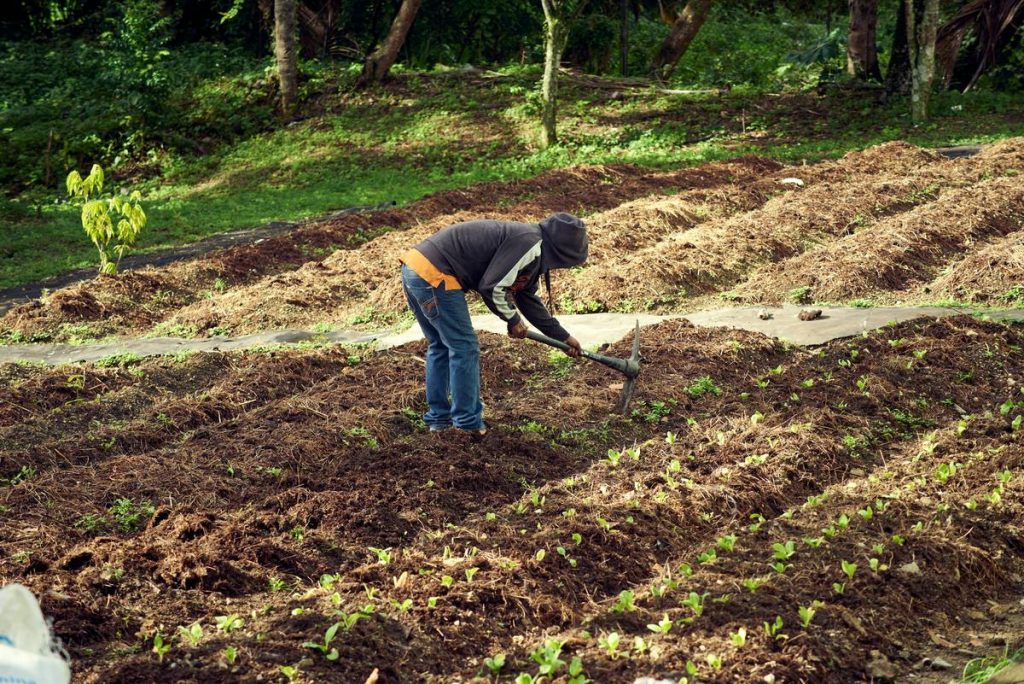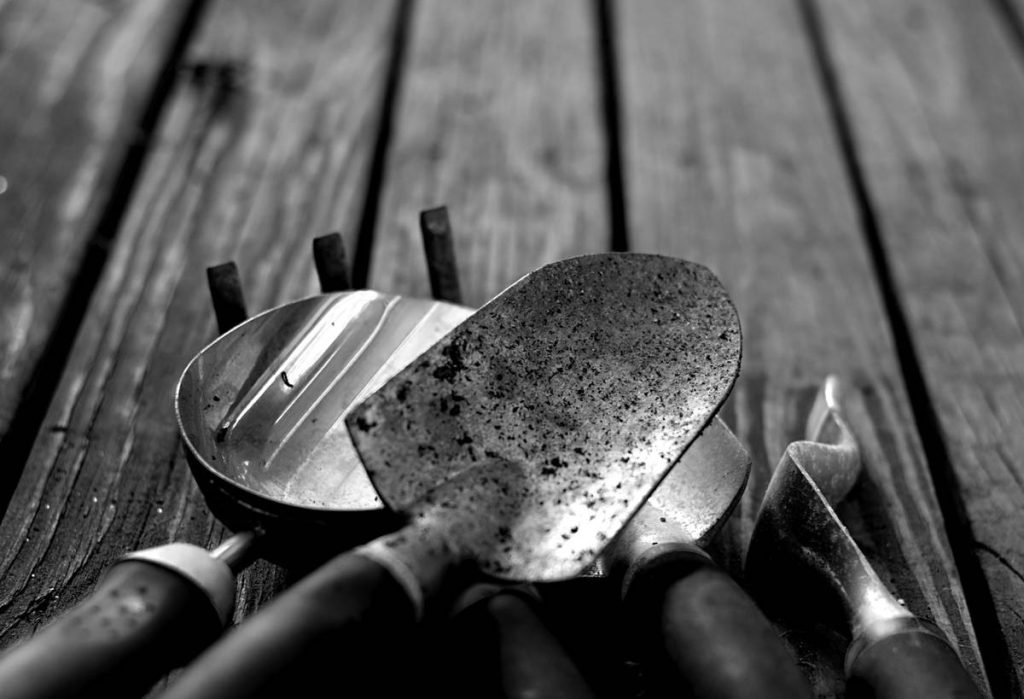
Ever yanked your back trying to break up compacted soil with a flimsy hand fork—only to end up with blisters and zero progress? Yeah. We’ve all been there. Spoiler: that’s not a cultivator. And if you’re Googling “gardening tool cultivator what is a,” you’re probably frustrated, sweaty, and wondering why your zucchini patch looks like a parking lot.
This post cuts through the noise. You’ll learn exactly what a cultivator is (and isn’t), how to pick the right type for your garden size and soil, real-world tips from 12+ seasons of digging in the dirt, and why confusing it with a tiller could cost you your tomato harvest. Plus: when NOT to use one (yes, there’s such a thing).
You’ll walk away knowing how to prep beds like a nursery pro—not a weekend warrior with sore shoulders.
Table of Contents
- Key Takeaways
- What Is a Gardening Tool Cultivator—and Why It’s Not Just a Fancy Hoe?
- How to Choose and Use a Cultivator (Without Destroying Your Soil)
- Pro Tips for Cultivator Success: What Nurseries Don’t Tell You
- Real Garden Case Study: From Clay Brick to Fluffy Seedbed
- Cultivator FAQs: Your Burning Questions, Answered
Key Takeaways
- A cultivator loosens topsoil (1–4 inches deep); a tiller digs deeper (6–12+ inches) and is used for initial bed prep.
- Hand cultivators are ideal for small gardens, weeding, and mixing compost into existing beds.
- Mechanical cultivators (electric or gas) suit medium plots (under 5,000 sq ft) but can harm soil structure if overused.
- Never use a cultivator on wet soil—it causes compaction, not aeration.
- The best cultivator matches your soil type, garden size, and physical stamina—not Instagram aesthetics.
What Is a Gardening Tool Cultivator—and Why It’s Not Just a Fancy Hoe?
Let’s clear this up fast: a cultivator is not a glorified rake. And no, your neighbor’s “vintage” three-pronged doodad from 1973 doesn’t count unless it actually works.
By definition, a gardening tool cultivator is any implement designed to loosen, aerate, and mix the top layer of soil—typically 1 to 4 inches deep—without turning it over completely. Its primary jobs? Break up crusted soil, incorporate compost or fertilizer, uproot shallow weeds, and create a fine seedbed for planting.
Cultivators come in two main forms:
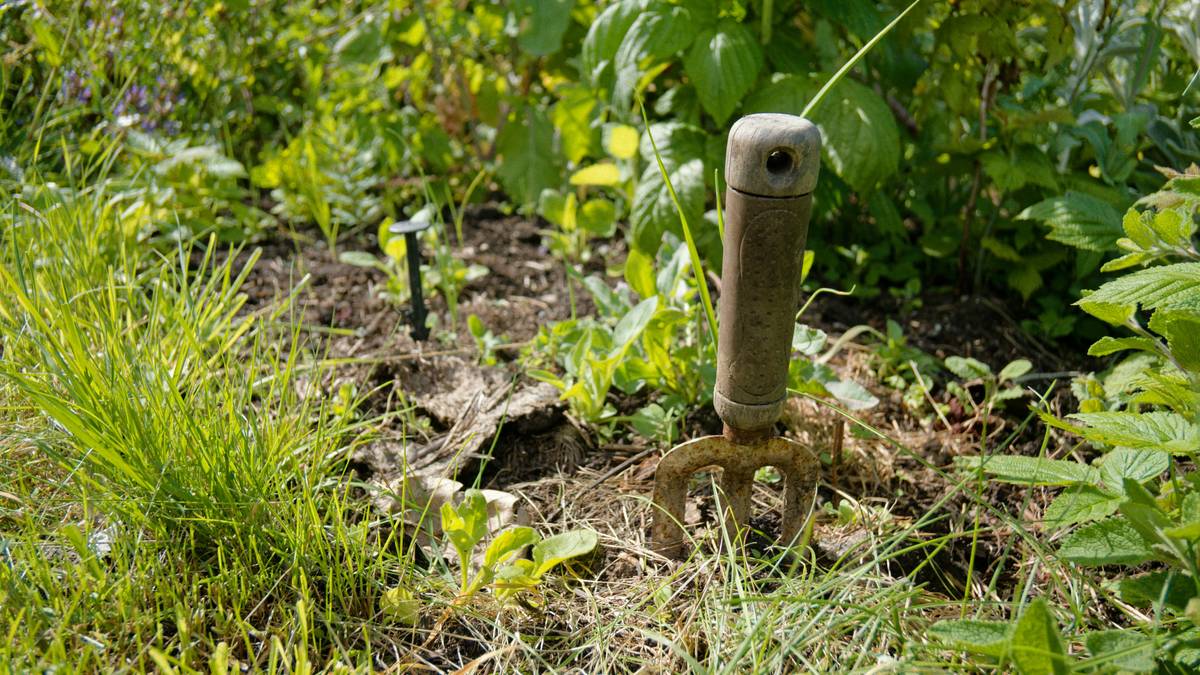
- Manual (hand) cultivators: Think claw-like tools with 3–5 curved tines, often made of forged steel. Great for raised beds, container gardens, and precision work.
- Mechanical cultivators: Walk-behind machines (electric or gas-powered) with rotating tines. Ideal for larger in-ground plots needing weekly maintenance between growing cycles.
Here’s where people get tripped up: confusing cultivators with tillers. Tillers are heavy-duty machines built for breaking new ground—think sod, clay, or fallow fields. They dig deep (6–12+ inches) and churn aggressively. Cultivators? They’re the gentle groomers of the soil world. Using a tiller mid-season is like using a sledgehammer to hang a picture—overkill that destroys soil structure and kills beneficial microbes.
The University of California Cooperative Extension warns that “repeated tilling degrades soil aggregates and reduces organic matter,” which is why seasoned gardeners switch to cultivators once beds are established. Smart move.
Confessional fail: I once borrowed my uncle’s rototiller to “refresh” my veggie patch in July. Result? My carrots grew sideways, my kale wilted overnight, and earthworms vanished for weeks. Lesson learned: cultivate, don’t pulverize.
How to Choose and Use a Cultivator (Without Destroying Your Soil)
Step 1: Match the Tool to Your Garden Size
Optimist You: “My 4×8 raised bed just needs a little love!”
Grumpy You: “Ugh, fine—but only if I don’t have to plug in anything.”
If your garden is under 200 sq ft (e.g., 2–3 raised beds), a manual cultivator is perfect. Look for one with:
– Forged steel tines (not stamped metal—they bend)
– A comfortable D-grip handle
– Tine spacing of 1–1.5 inches for weed removal
For plots between 500–5,000 sq ft, consider an electric cultivator (corded or battery). They’re lighter than gas models, quieter, and eco-friendly. Avoid gas unless you’ve got clay-heavy soil and acreage.
Step 2: Check Soil Moisture First
Never cultivate wet soil. Wait 2–3 days after rain until it’s “moist but crumbly”—like brown sugar. Working wet soil creates clods that harden into concrete.
Step 3: Work Shallow and Slow
Push or pull your cultivator just 1–2 inches deep for weeding. For seedbed prep, go 2–4 inches. Move in straight lines, overlapping slightly—don’t zigzag like you’re mowing.
Terrible Tip Disclaimer:
“Use your cultivator to mix in fresh manure right before planting.” NO. Fresh manure burns roots and may carry pathogens. Always compost organics first.
Pro Tips for Cultivator Success: What Nurseries Don’t Tell You
- Sharpen tines annually. Dull tines drag instead of cut—wasting your energy. File them in spring like pruners.
- Clean after every use. Rinse off soil, dry thoroughly, and rub with linseed oil to prevent rust (especially on carbon steel).
- Store vertically. Hang hand tools or stand mechanical units on casters—never lean them against walls where tines warp.
- Pair with mulch. After cultivating, lay down 2–3 inches of straw or shredded leaves. This reduces future weeding by 70% (per USDA studies).
- Avoid compacted paths. Cultivators aren’t lawn aerators. Stick to planting zones only.
Real Garden Case Study: From Clay Brick to Fluffy Seedbed
Last spring, a client in central Texas asked me to revive her 1,200 sq ft backyard plot—formerly a dog run with hardpan clay. Initial soil test: pH 7.8, organic matter at 0.9% (yikes; ideal is 3–5%).
We did NOT bring in a tiller. Instead:
- Laid 4 inches of compost over the entire area.
- Waited 10 days for moisture to stabilize.
- Used a manual broadfork-type cultivator to gently lift and mix without inversion.
- Followed with a hand cultivator weekly to break surface crust.
Result after 8 weeks: organic matter rose to 2.1%, earthworm activity tripled, and her okra yield doubled compared to the previous year. The key? Respecting soil ecology—not brute force.
Cultivator FAQs: Your Burning Questions, Answered
What’s the difference between a cultivator and a hoe?
A hoe chops weeds at the surface or shapes rows. A cultivator loosens soil beneath the surface. Some tools combine both (e.g., stirrup hoes with cultivator backs), but their functions differ.
Can I use a cultivator on grass?
No. Grass has dense roots that’ll clog tines. Use a sod cutter or herbicide first if converting lawn to garden.
How often should I cultivate?
Once every 2–3 weeks during growing season—only when weeds appear or soil crusts. Over-cultivating dries out soil and harms microbes.
Are electric cultivators worth it?
For gardens under 3,000 sq ft: absolutely. Models like the Sun Joe TJ603E offer 10-inch width and 8-inch depth control for under $200—no fumes, no oil changes.
Can cultivators spread weeds?
Yes—if you’re chopping perennial weeds like bindweed, you’re spreading root fragments. Remove those by hand first.
Conclusion
So, what is a gardening tool cultivator? It’s your soil’s best friend for light, frequent maintenance—not a bulldozer for virgin land. Whether you’re wielding a $12 hand claw or a $250 electric model, success comes from using it right: on dry-ish soil, at shallow depth, and only when needed.
Remember: great gardens aren’t tilled—they’re nurtured. And now you’ve got the know-how to cultivate like someone who’s actually dirt under their nails (in a good way).
Go forth and fluff responsibly.
Haiku of the week:
Steel teeth kiss dry soil,
Weeds flee, seeds sigh in relief—
Summer’s soft welcome.