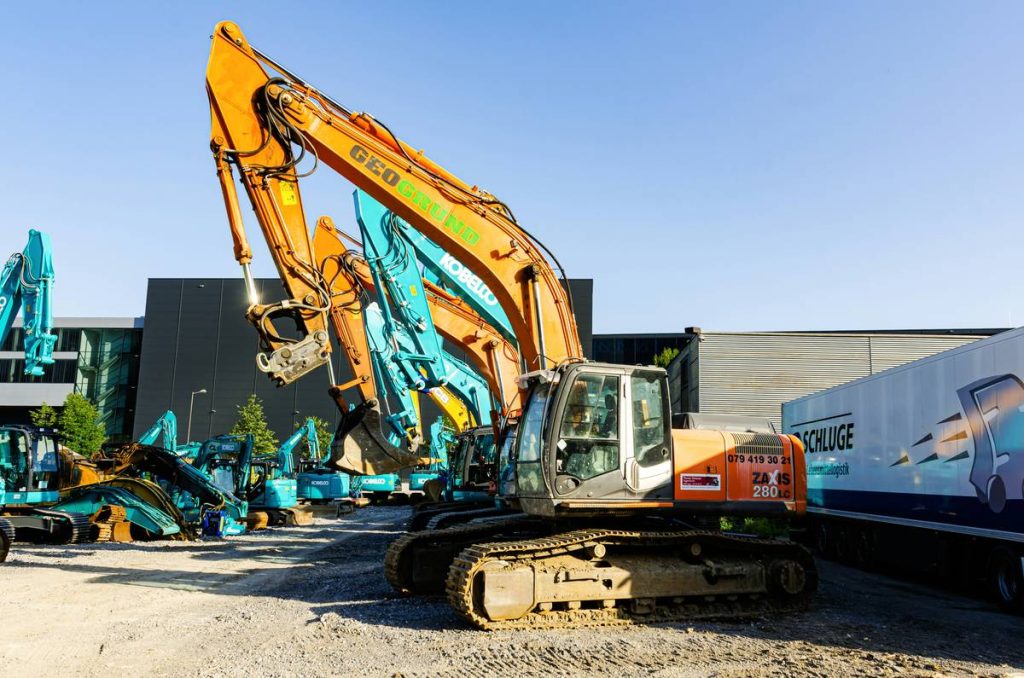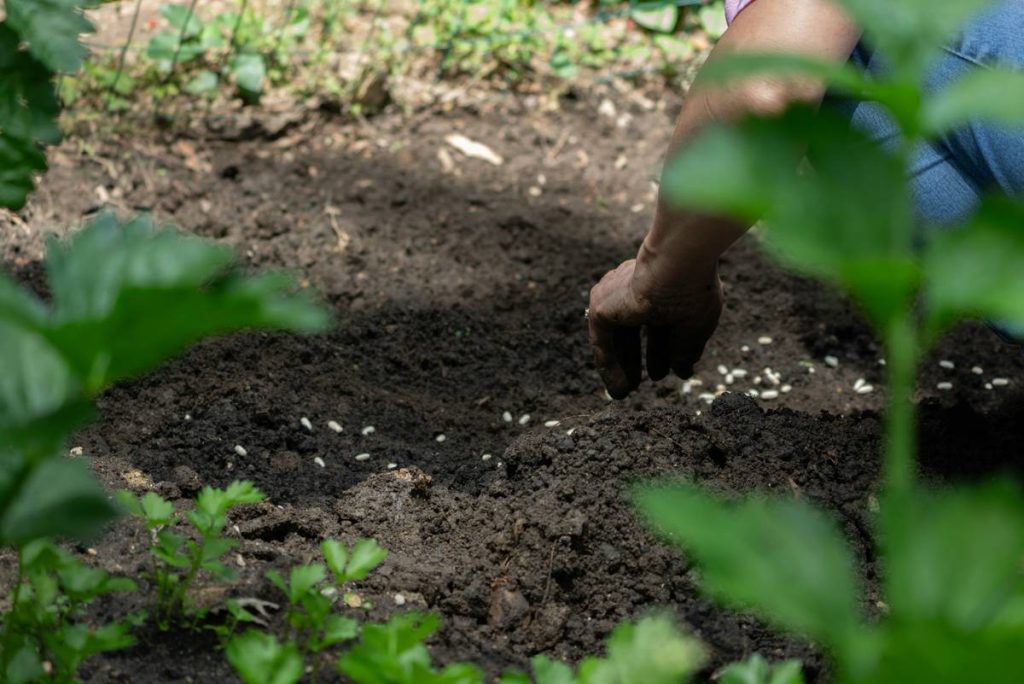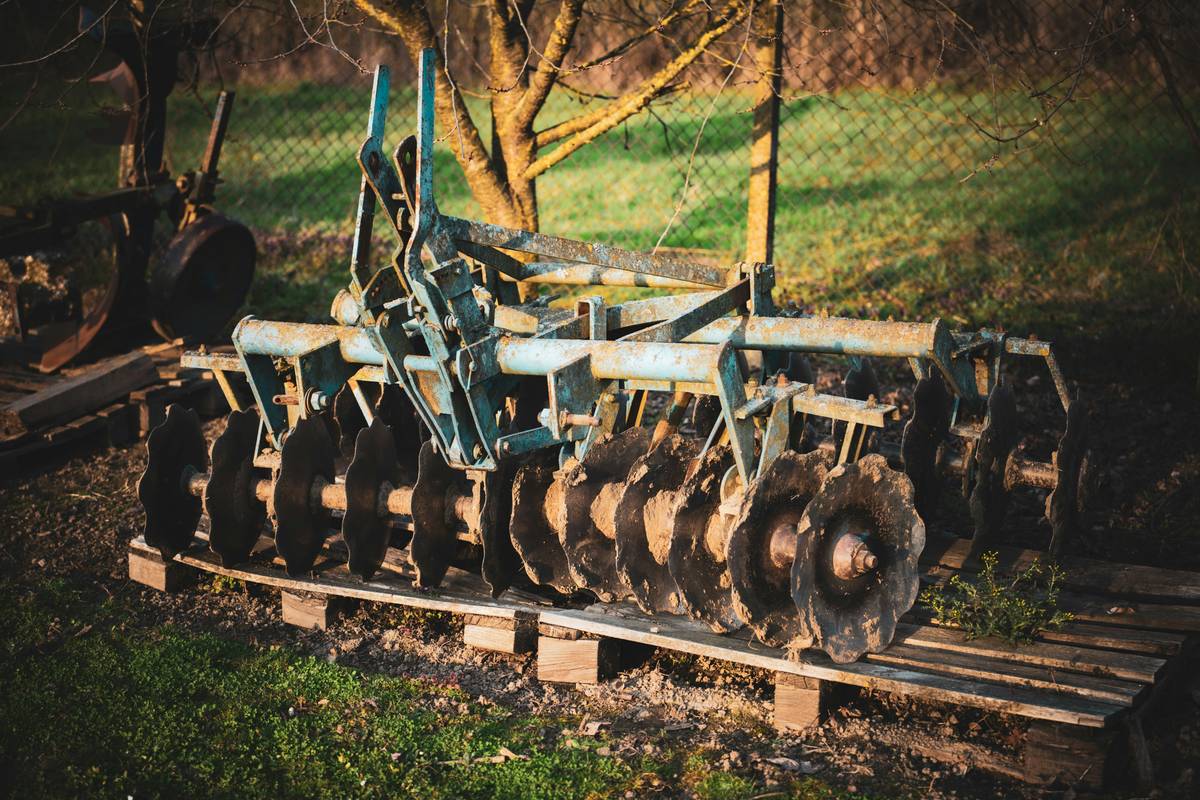
Ever stood ankle-deep in compacted soil at 7 a.m., sweat already pooling under your baseball cap, wondering why you didn’t just hire a crew… again? Yeah. I’ve been there—back when I thought tossing seeds into unturned dirt counted as “gardening.” Spoiler: it doesn’t. If you own a mini skid steer and aren’t using a soil cultivator attachment, you’re wasting horsepower, time, and the dream of that lush backyard oasis.
This post cuts through the fluff to deliver everything you actually need to know about choosing, using, and maximizing a soil cultivator for mini skid steer. You’ll learn how these attachments transform rocky messes into seed-ready beds, what specs matter most (hint: tine count isn’t everything), and real mistakes I’ve made so you don’t repeat them. Plus: brand showdowns, pricing realities, and why one homeowner in Ohio saved $2,300 by ditching manual rototilling.
Table of Contents
- Key Takeaways
- Why Does a Soil Cultivator for Mini Skid Steer Even Matter?
- How to Choose & Use Your Cultivator Like a Pro
- Best Practices That Prevent Costly Mistakes
- Real-World Case Study: From Patchy Lawn to Prize-Winning Garden
- FAQs About Soil Cultivators for Mini Skid Steers
- Conclusion
Key Takeaways
- A soil cultivator for mini skid steer can prep 5,000 sq ft of garden bed in under 45 minutes—vs. 8+ hours by hand.
- Match tine configuration (L-shaped vs. C-shaped) and working width to your machine’s lift capacity and job scope.
- Never run a cultivator on slopes over 15°—it risks rollover and uneven tillage.
- Top brands like Bradco, Virnig, and Erskine offer 2–3 year warranties; avoid no-name attachments from Amazon “deals.”
- Always engage the float position for contour-following on uneven terrain.
Why Does a Soil Cultivator for Mini Skid Steer Even Matter?
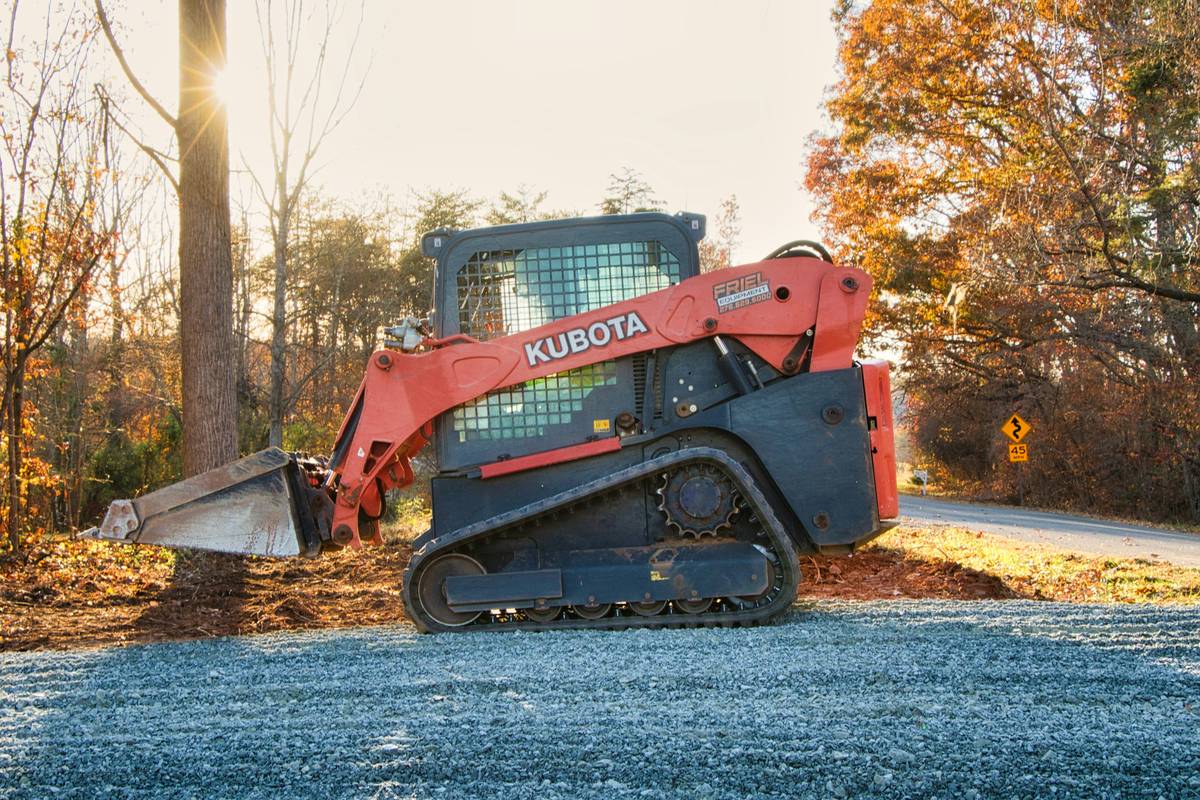
If you’ve ever tried breaking virgin ground with a walk-behind tiller, you know the soundtrack: a high-pitched whine followed by the sickening *clunk* as the tines hit buried rock or root mass. Now multiply that frustration by five if you’re managing half an acre or more. That’s where mini skid steers shine—they’re the Goldilocks of compact equipment, and pairing them with a soil cultivator turns weekend warriors into land-shaping ninjas.
According to the Association of Equipment Manufacturers (AEM), sales of mini skid steer attachments grew 18% YoY in 2023, with cultivation tools among the top three. Why? Because they deliver industrial-grade soil prep without requiring a tractor license or $30K upfront.
Optimist You: “This is gonna make my garden dreams come true!”
Grumpy You: “Ugh, fine—but only if I don’t have to listen to that infernal tine-rattle noise again.”
How to Choose & Use Your Cultivator Like a Pro
What specs actually matter when buying a soil cultivator for mini skid steer?
It’s not just about width. Look for:
- Working Width: Match to your skid steer’s track width. Common sizes: 36″, 48″, 60″. Oversized = strain on hydraulics.
- Tine Type: L-shaped tines (for heavy clay/rocky soil) vs. C-shaped (lighter loam). Hardened steel only—anything less bends on first pass.
- Hydraulic Flow Requirement: Must match your machine’s GPM (gallons per minute). Mismatch causes overheating or sluggish operation.
- Depth Control: Adjustable skid shoes let you till 2–6 inches deep—critical for root zones vs. full-bed renovation.
My Confessional Fail: The “Just One More Pass” Trap
Last spring, I was prepping a new raised bed zone on my 1.2-acre property. Soil was packed like concrete after winter. I ran the cultivator once. Looked okay. Then twice. Then three times because “more is better,” right? Wrong. Over-tilling pulverized soil structure, killed microbial life, and created a hydrophobic dust bowl. Took weeks of compost tea and cover cropping to recover. Moral? One slow, steady pass at the right depth beats three frantic ones.
Best Practices That Prevent Costly Mistakes
- Check your skid steer’s lift capacity first. A 60″ cultivator can weigh 900–1,200 lbs. Exceeding ROC (Rated Operating Capacity) stresses the boom and voids warranties.
- Engage float mode on uneven ground. Lets tines follow contours instead of skipping or digging too deep.
- Avoid wet soil. Tilling when moisture content > field capacity smears soil into hardpan. Test: squeeze a handful—if water drips, wait 2–3 days.
- Clean after every use. Mud-packed tines corrode fast. Hose down, dry, and apply light oil to pivot points.
- Store vertically or covered. Rain collects in tine housings—rust city!
Terrible Tip Alert: “Buy the cheapest cultivator on eBay—it’s all metal, right?” Nope. I saw a client snap a $420 no-name tine shaft in hour two. OEM replacements cost $380 alone. Stick with ISO-certified brands.
Real-World Case Study: From Patchy Lawn to Prize-Winning Garden
Dave R., a retired teacher in Dayton, OH, inherited ¾ acre of weedy, compacted yard. He owned a Bobcat S510 mini skid steer but used it mostly for snow removal. After researching soil health (shoutout to USDA’s Web Soil Survey), he invested in a 48″ Bradco 6610 cultivator ($5,200).
Over two weekends:
- Removed 4″ of sod with a brush cutter attachment
- Ran the cultivator at 4″ depth in a single pass (dry soil!)
- Mixed in 3 cubic yards of compost
- Planted heirloom tomatoes, kale, and zinnias
Result? By August, his garden yielded 220 lbs of produce—and won 2nd place at the county fair. Dave estimates he saved $2,300 versus hiring landscapers for bed prep. His secret? “I treated the soil like cake batter—fluffy, not overmixed.”
FAQs About Soil Cultivators for Mini Skid Steers
Can I use a soil cultivator on sloped terrain?
Only if the slope is under 15 degrees (per OSHA guidelines). Always operate across—not up/down—the slope to prevent rollover. Use low gear and maintain center of gravity.
How deep can a mini skid steer cultivator go?
Most models max out at 6 inches. For deeper subsoiling (12″+), you’d need a dedicated ripper attachment, not a cultivator.
Are hydraulic or mechanical drive cultivators better?
Hydraulic-driven (motor-powered) units offer consistent tine speed regardless of ground speed—ideal for tough soils. Mechanical drives (PTO-style) are cheaper but lose RPM on resistance. For serious gardening, hydraulic wins.
Will a cultivator remove weeds completely?
It chops roots but won’t eradicate perennial weeds like bindweed. For weed-heavy plots, do a solarization step (clear plastic for 4–6 weeks) first, then cultivate.
Conclusion
A soil cultivator for mini skid steer isn’t just another shiny attachment—it’s your ticket to scalable, sustainable land management. Whether you’re reviving a neglected backyard or maintaining a market garden, the right cultivator saves brutal labor, respects soil biology, and delivers professional results. Remember: match specs to your machine, avoid over-tilling, and invest in reputable brands. Your future self—and your tomato plants—will thank you.
Now go forth and cultivate like you mean it. And if your skid steer starts sounding like a dying lawnmower? Check those tine bearings—you’re welcome.
Remember when “You’ve Got Mail!” meant something thrilling? Yeah, me neither. But here’s a haiku anyway:
Steel teeth kiss the earth,
Loam breathes free beneath small tracks—
Garden dreams take root.