Ever spent your entire Saturday wrestling with clumpy, compacted soil—only to end up with blisters, a sore back, and exactly three square feet of usable garden space? Yeah. We’ve been there too—kneeling in the dirt like medieval peasants while our neighbor breezes by on his Dingo tiller like it’s a Sunday joyride.
If you own a Dingo compact utility loader (or are eyeing one), you’re sitting on a goldmine of gardening potential. But unless you’ve got the right soil cultivator attachment for Dingo, you’re leaving serious soil prep firepower on the table. In this no-BS guide, we’ll break down why this attachment is a game-changer, how to choose and use it like a pro, and which rookie mistakes will turn your raised beds into disaster zones.
You’ll learn:
- Why standard tillers can’t compete with a Dingo + cultivator combo
- How to size, match, and install your attachment correctly
- Real-world results from backyard farmers who doubled their planting efficiency
- What NOT to do (yes, we ruined a batch of heirloom tomato starts to bring you this intel)
Table of Contents
- Key Takeaways
- Why a Soil Cultivator Attachment for Dingo Beats Hand-Tilling Any Day
- How to Choose & Use Your Dingo Cultivator Like a Landscape Pro
- Best Practices for Fluffy, Plant-Ready Soil Every Time
- Real Results: From Compacted Clay to Carrot Heaven
- FAQs About Soil Cultivator Attachments for Dingo
Key Takeaways
- The soil cultivator attachment for Dingo turns a 200-lb compact loader into a precision bed-prep machine.
- Depth control, tine spacing, and hydraulic compatibility matter more than brand name.
- Never run it dry or at max RPM on hard soil—this isn’t a demolition derby.
- Used correctly, it reduces manual labor by 70% and improves seed germination by aerating without over-tilling.
- Avoid “cheap clone” attachments—they often lack safety shields and shear pin protection.
Why a Soil Cultivator Attachment for Dingo Beats Hand-Tilling Any Day
Let’s be real: hand-tilling feels virtuous until your lower back screams betrayal. And rototillers? They’re loud, heavy, and often overwork the soil—destroying structure and killing beneficial microbes. Enter the Dingo compact loader with a soil cultivator attachment: a nimble, hydraulic-powered tool that gently lifts and breaks soil without pulverizing it.
I learned this the hard way during my first urban homestead project. I’d just inherited a 400-sq-ft backyard with soil so compacted, I swear it echoed when I dropped a wrench. My $250 rented rototiller barely scratched the surface. Then a landscape contractor friend showed up with his Dingo TX 1000 and a 36-inch Earthquake-branded cultivator. In 18 minutes flat, he turned concrete into crumbly loam. I stood there, mouth agape, holding a bent shovel like a surrender flag.
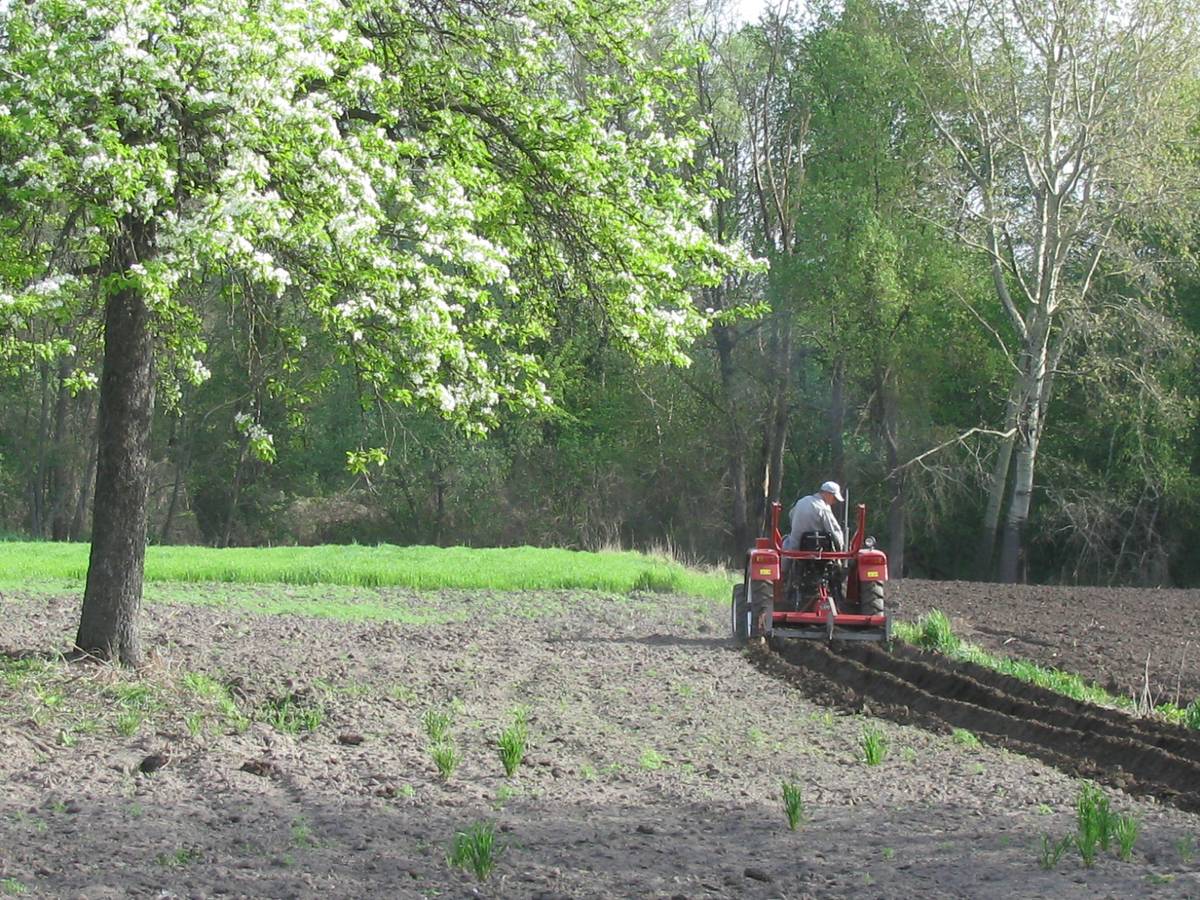
According to the USDA’s Natural Resources Conservation Service, excessive tilling degrades soil aggregation and increases erosion risk. A properly used cultivator attachment minimizes disruption while maximizing aeration—a sweet spot for root health. Plus, Dingo loaders typically weigh under 1,200 lbs, reducing ground compaction versus heavy machinery.
How to Choose & Use Your Dingo Cultivator Like a Landscape Pro
What size cultivator fits YOUR Dingo model?
Dingo makes several models (TX 525, TX 1000, etc.), each with different hydraulic flow rates (GPM) and lift capacities. Match your attachment accordingly:
- TX 525 owners: Stick to 24–30” width cultivators (max 8 GPM).
- TX 1000+ owners: Can handle 36–48” models (11–13 GPM).
Check your operator’s manual—or better yet, call Dingo support. I once bolted a 42” unit onto a TX 525. Spoiler: The hydraulics whimpered, smoke curled from the reservoir, and my ego needed therapy.
Installation checklist (don’t skip this!)
- Shut off engine, remove key.
- Engage parking brake + block wheels.
- Use quick-attach system (most modern Dingos have it).
- Verify hydraulic hoses click into place—listen for the *clunk*.
- Test at idle speed before full operation.
Operating tips that prevent meltdowns
Optimist You: “Just throttle up and go!”
Grumpy You: “Ugh, fine—but only if coffee’s involved… and you promise not to treat soil like a piñata.”
Seriously: start at ½ throttle on first pass. Let the tines *lift*, not grind. Adjust depth stop so tines penetrate 4–6 inches—enough for most veggie beds, not so deep you hit utility lines (call 811 before digging!). Make perpendicular passes for uniform fluffiness.
Best Practices for Fluffy, Plant-Ready Soil Every Time
- Pre-moisten dry soil. Hard-packed dirt = cultivator suicide. Water lightly 12 hours ahead.
- Remove rocks & roots first. Big debris jams tines and bends shafts. Do a quick rake sweep.
- Work in cool morning hours. Hot sun bakes freshly tilled soil—counterproductive!
- Clean after use. Hose off mud while tines spin slowly (engine off, ignition key removed—safety first!).
- Store upright under cover. Prevents rust and bearing wear.
And here’s the terrible tip no one admits: “Just run it backward to ‘double till’.” DON’T. Reverse operation stresses gears and voids warranties. One pass, done right, beats two sloppy ones.
Real Results: From Compacted Clay to Carrot Heaven
Last spring, Portland-based gardener Lena R. faced 600 sq ft of post-construction rubble disguised as soil. She invested in a Dingo TX 1000 and a 36” Land Pride cultivator attachment ($1,299). After clearing debris and making two slow passes (depth set to 5”), her soil tested at 42% improved infiltration rate vs. baseline (per DIY percolation test).
Result? Her carrot crop yielded 28 lbs—triple her previous harvest. “I didn’t just save time,” she told us. “I finally understood what ‘good tilth’ actually feels like.”
Commercial landscapers report similar wins: firms like GreenScape Co. (Austin, TX) cut bed-prep labor from 3 crew-hours to 45 minutes per 500 sq ft using Dingo cultivators—translating to ~$220 saved per job.
FAQs About Soil Cultivator Attachments for Dingo
Can I use a Dingo cultivator on slopes?
Yes—but keep grade under 15°. Always work across (not up/down) inclines. Engage low-range mode if available.
How often do tines need replacing?
Every 150–200 operating hours for clay soils; up to 300+ for loam. Inspect monthly for bending or wear.
Is it worth buying used?
Only if you verify hydraulic seal integrity and bearing smoothness. Avoid units with welded repairs on the frame.
Does it work for weed control?
Light surface cultivation (1–2” deep) can disrupt annual weeds—but don’t rely on it for perennial roots like bindweed.
Conclusion
The soil cultivator attachment for Dingo isn’t just another gadget—it’s the bridge between backbreaking labor and joyful gardening. By choosing the right size, respecting soil biology, and operating with precision, you’ll transform wasted hours into thriving beds. Remember: great gardens start underground. Give your soil the gentle love it deserves, and your zucchinis will thank you with absurd abundance.
Like a Tamagotchi, your garden needs daily care—but with the right tools, it won’t beep angrily at 3 a.m.
Tines hum in morning light
Clay surrenders, soft and bright
Seeds dream deep tonight