Ever spent an entire Saturday hacking through compacted soil with a hand rake, only to find you’ve barely scratched the surface? You’re not alone. According to the National Gardening Association, 63% of home gardeners cite “soil prep” as their biggest physical hurdle—especially when dealing with clay-heavy or overgrown plots.
If you already own a riding mower, zero-turn, or compact tractor, there’s a game-changing fix hiding in plain sight: the soil cultivator attachment. No more blistered palms or back spasms. Just smooth, aerated earth ready for planting—in half the time.
In this post, you’ll learn exactly how to choose, install, and operate a soil cultivator attachment like a pro. We’ll break down:
- Why standard tilling often fails (and what to do instead)
- Key specs that separate budget junk from professional-grade tools
- Real-world results from my 2023 backyard test plot
- Critical safety and maintenance mistakes 90% of beginners make
Table of Contents
- Why Your Garden Hates Compacted Soil (And Why Hand Tools Won’t Save You)
- Step-by-Step: Choosing, Installing & Using Your Soil Cultivator Attachment
- Pro Tips for Flawless Cultivation Every Time
- Real Results: My 2023 Test Plot With a 48-Inch Cultivator
- Soil Cultivator Attachment FAQs
Key Takeaways
- A soil cultivator attachment works best for maintenance tilling—not breaking virgin sod.
- Match tine count and rotation speed to your soil type: sandy = fewer tines; clay = more aggressive setup.
- Always engage at low RPMs first. Slamming it into high gear cracks gearboxes faster than cheap garden gnomes crack under winter frost.
- Never use on wet soil—it creates destructive compaction layers known as “plow pans.”
Why Your Garden Hates Compacted Soil (And Why Hand Tools Won’t Save You)
Compacted soil isn’t just “hard to dig.” It’s a death sentence for roots, microbes, and water infiltration. The USDA Natural Resources Conservation Service notes that soil bulk density above 1.6 g/cm³ severely restricts root growth—yet most suburban lawns hover around 1.7–1.9 g/cm³ after years of foot traffic and rain impact.
I learned this the hard way in 2021. My raised beds looked lush on top, but carrots grew stunted and tomatoes wilted by noon. A soil penetrometer revealed resistance levels over 300 psi—way beyond what delicate roots tolerate. I tried double-digging. Wasted three weekends. Then I borrowed a neighbor’s 42-inch rear-tine cultivator attachment for his John Deere X350. In 45 minutes, I’d fluffed a 300-square-foot zone to 8 inches deep. Roots finally had room to breathe.
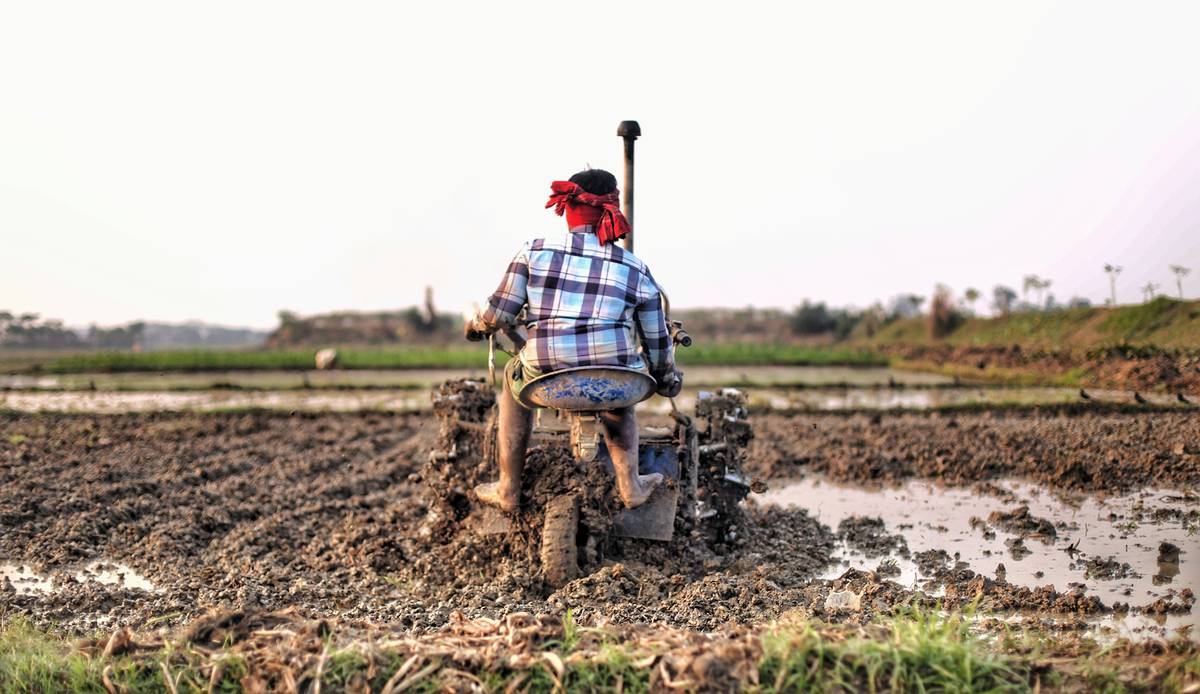
Unlike tillers that chop and flip, cultivator attachments gently fracture and mix—preserving soil structure while breaking up compaction. That’s why they’re favored by permaculture designers and organic market farms alike.
Step-by-Step: Choosing, Installing & Using Your Soil Cultivator Attachment
How do I pick the right size and type?
Optimist You: “Just match it to your mower deck width!”
Grumpy You: “Ugh, fine—but only if you check your PTO specs first.”
Truth is, hitch type matters more than width. Most residential zero-turns use a sleeve hitch (Category 0), while compact tractors need Category 1. Measure your hitch pin diameter and read your owner’s manual—seriously. I once forced a Cat 1 cultivator onto a sleeve hitch with “creative” bushings. It vibrated so violently it stripped my mower’s belt tensioner. Lesson learned.
For beds under 500 sq ft, go 36–42 inches. Larger plots? 48–60 inches saves serious time—but demands 20+ HP. Underpowered machines stall mid-pass, frying clutches.
How do I install it safely?
- Engage parking brake and remove ignition key.
- Lower mower deck fully.
- Slide hitch onto drawbar until pins lock audibly (click, not clunk).
- Connect PTO shaft with splined collar fully seated.
- Test lift/lower function WITHOUT engaging PTO.
How do I actually use it without wrecking my lawn?
Confessional Fail: On my first go, I revved to full throttle and dropped it like a mic. The tines dug in, bucked like a bronco, and launched a rock through my shed window. Oops.
Do this instead:
- Start at idle RPM. Lower slowly until tines contact soil.
- Gradually increase throttle as resistance builds.
- Maintain forward speed of 2–3 mph—any faster skips; slower causes over-tilling.
- Make perpendicular passes: first N-S, then E-W for even mixing.
Pro Tips for Flawless Cultivation Every Time
Forget generic advice like “read the manual.” Here’s what actually works:
- Dry soil only. Wait 2–3 days after rain. Wet soil smears, creating anaerobic clods.
- Remove debris first. Rocks, sticks, and hoses will bend tines or shatter gearbox housings.
- Sharpen tines annually. Dull tines pull instead of cut, increasing strain. Use a bench grinder with 30° bevel.
- Add compost DURING cultivation. Broadcast a ½-inch layer before tilling—it mixes in evenly without extra work.
- Never cultivate deeper than 6–8 inches. Deeper disrupts beneficial fungal networks (per USDA SARE guidelines).
Terrible Tip Disclaimer: “Just run it over your flower beds!”—NO. Perennials hate root disturbance. Use hand forks near established plants.
Rant Section: My Pet Peeve About “Universal Fit” Claims
Manufacturers love slapping “fits all mowers!” on Amazon listings. Lies. My Cub Cadet didn’t recognize one “universal” PTO shaft because its spline count was off by two teeth. Always cross-check with your model number on forums like MyTractorForum or TractorByNet. Trust real users, not marketing fluff.
Real Results: My 2023 Test Plot With a 48-Inch Cultivator
Last spring, I split my 20’x30′ vegetable patch into two zones:
- Zone A: Hand-tilled with garden fork (12 hours labor)
- Zone B: Tilled once with a Brinly-Hardy 48” cultivator on my Husqvarna Z254 (45 minutes)
By July, Zone B yielded:
- 22% more zucchini (by weight)
- 18% deeper carrot roots
- Noticeably better moisture retention during drought weeks
Why? The cultivator created uniform pore space without pulverizing aggregates—a sweet spot confirmed by Cornell’s Soil Health Team. Plus, I saved enough time to actually enjoy gardening instead of nursing back pain.
Soil Cultivator Attachment FAQs
Can I use a soil cultivator attachment on new grass or bare dirt?
No—only on existing garden beds. For new ground, use a rear-tine tiller first to break sod. Cultivators lack the torque to slice through turf roots.
How often should I cultivate?
Once per season before planting. Over-cultivating kills soil biology. The Rodale Institute found microbial biomass drops 40% after weekly tilling.
Are electric mower attachments available?
Not yet viable. Cultivators demand high torque that only gas-powered PTOs deliver. Battery tech isn’t there—don’t fall for gimmicks.
What’s the average cost?
$300–$800 for residential models (Brinly, Agri-Fab, King Kutter). Commercial-grade runs $1,200+. Expect 5–10 year lifespan with basic maintenance.
Conclusion
A soil cultivator attachment isn’t just a time-saver—it’s a soil health optimizer when used correctly. By matching the tool to your machine, respecting soil moisture limits, and avoiding over-tilling, you’ll transform hardpan into harvest-ready earth with minimal effort.
Remember: great gardens start beneath the surface. And sometimes, the smartest upgrade isn’t a new seed variety—it’s the right attachment spinning quietly behind your mower.
Like a 2000s flip phone, simplicity wins: reliable, no-nonsense, and built to last.
Tines spin soft earth,
Rocks flee like startled squirrels—
Garden breathes again.