You bought a “cultivator” online—only to realize it’s just a glorified rake. Or worse, a plastic toy that snapped after two rows. You’re not alone. Most folks confuse cultivators with tillers or hoes, then wonder why their soil stays compacted and weeds win. Here’s the fix: understand what is the meaning of cultivator in real-world gardening—not textbook jargon.
Why Most Gardeners Misuse Cultivators (And Ruin Their Soil)
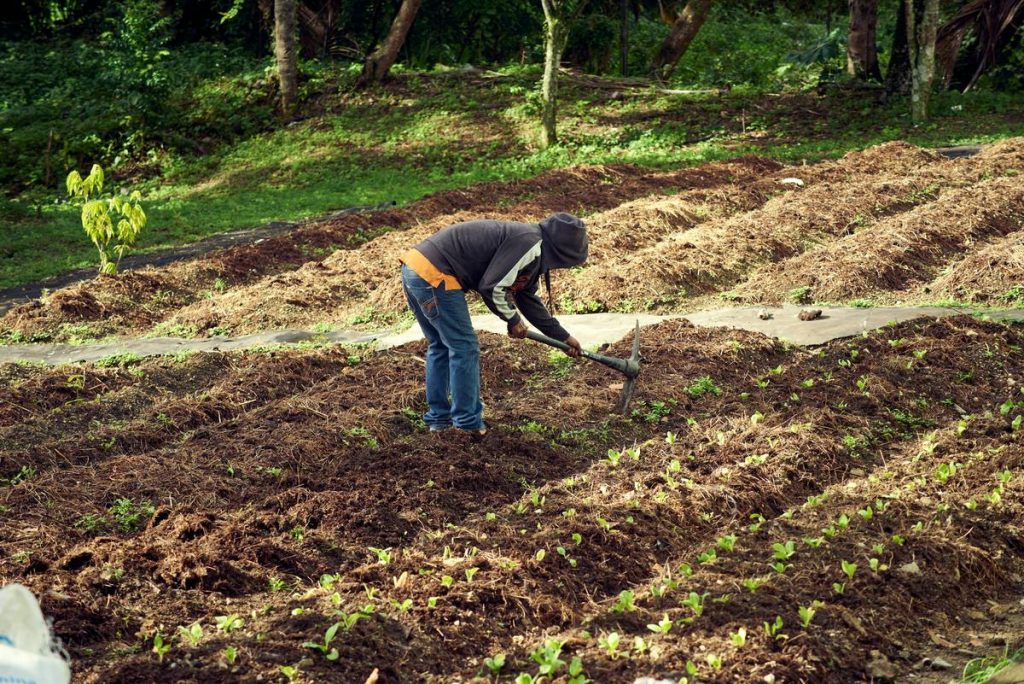
They treat cultivators like mini-tillers. Big mistake. A true cultivator isn’t for breaking new ground—it’s for working existing beds. Tilling kills soil structure. Compaction follows. And suddenly, your carrots look stunted. But a proper cultivator aerates without disruption. It slices through surface weeds while preserving microbial networks underground. That’s the difference between thriving soil and dusty disappointment.
What Is the Meaning of Cultivator? A Practical Breakdown
At its core, a cultivator is a hand or mechanical tool designed to loosen the top 2–4 inches of soil—without inverting layers. Think of it as a precision scalpel versus a sledgehammer.
Hand Cultivators vs. Power Cultivators
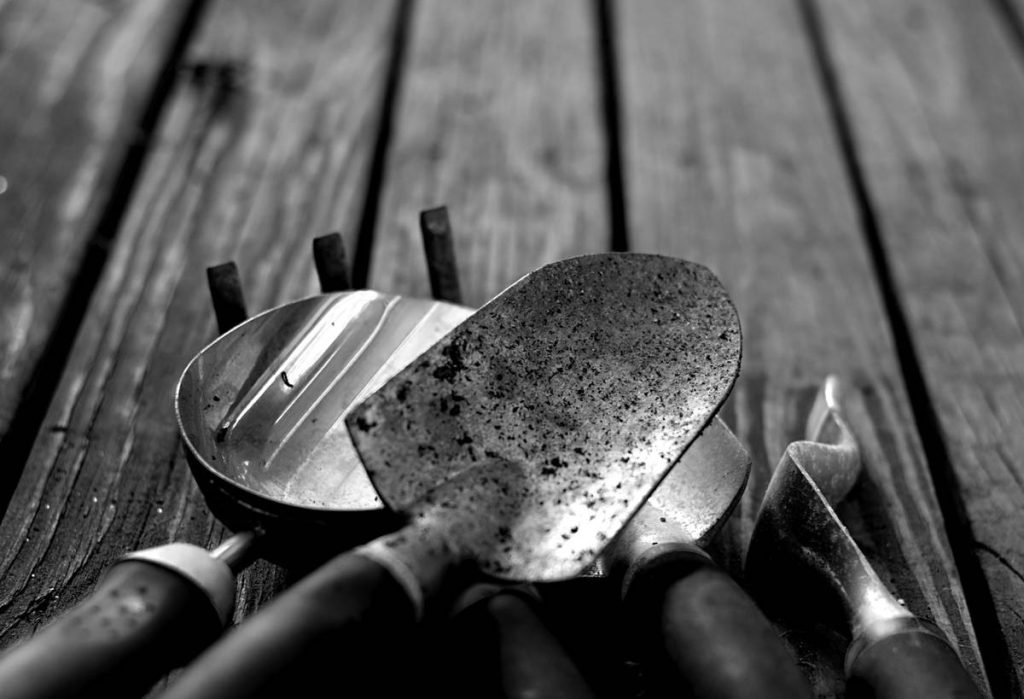
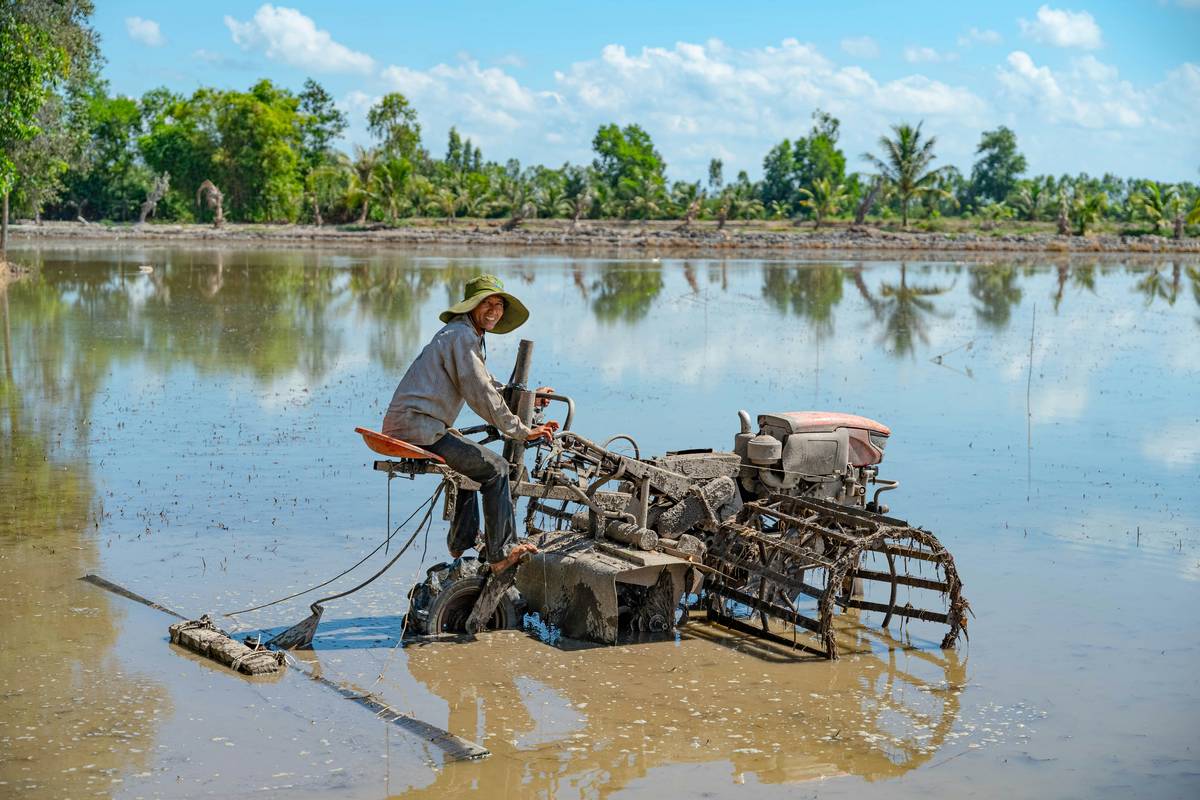
Hand models (claw-style, three-prong) excel in raised beds or tight spaces. They give you fingertip control—critical around delicate seedlings. Power versions (electric or gas) cover ground fast but demand respect. One wrong pass and you’ve uprooted your lettuce.
When to Use It—and When Not To
Use a cultivator after initial tilling, during the growing season. Ideal moments: before mulching, post-rain (when soil is damp but not wet), or mid-season to disrupt weed germination. Never use it on dry, hard-packed earth—that’s tiller territory.
| Tool Type | Best For | Avg. Cost | Soil Impact |
|---|---|---|---|
| Hand Claw Cultivator | Raised beds, container gardens, weeding rows | $8–$25 | Low disruption, high precision |
| Electric Cultivator | Medium plots (under 1,000 sq ft), frequent maintenance | $90–$220 | Moderate depth, minimal compaction if used correctly |
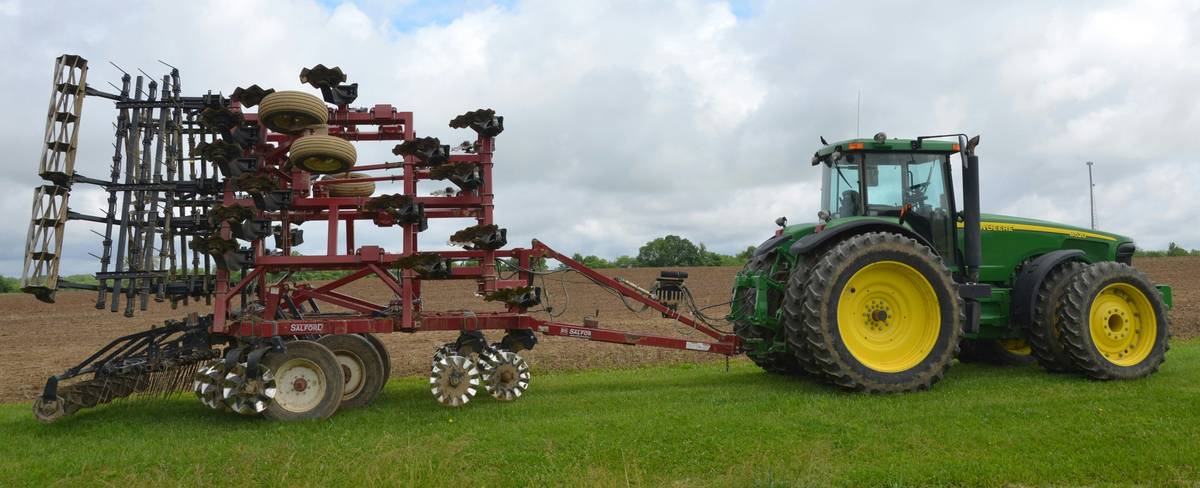
| Gas-Powered Cultivator | Large gardens, heavy clay soils (with caution) | $200–$500+ | Risk of overworking—use sparingly |
The Hidden Benefit: Weed Suppression Without Chemicals
Here’s what sales pages won’t tell you: consistent light cultivation every 7–10 days prevents 80% of annual weeds from establishing. The secret? You’re not killing them—you’re denying them stable footing. Sunlight hits bare soil, seeds sprout, and your cultivator slices them off at day three. No herbicides. No backbreaking pulling. Just timing and rhythm.
The Industry Secret: Cultivators Are Soil Therapists
Most brands sell features—tines, motors, ergo-grips. They miss the point entirely. A cultivator’s real job is maintaining soil “breathability.” Over time, foot traffic, rain, and root decay compress pore space. Oxygen drops. Beneficial fungi retreat. Your plants suffocate slowly. A skilled gardener uses a cultivator like a masseuse—gentle, rhythmic strokes that restore circulation. That’s why old-school market growers swear by daily “surface scratching.” It’s not about turning dirt. It’s about keeping it alive.
FAQ: What Is the Meaning of Cultivator?
Is a cultivator the same as a tiller?
No. Tillers dig deep (6+ inches) to break virgin soil. Cultivators work shallowly (2–4 inches) to maintain already-worked beds without disturbing soil layers.
Can I use a cultivator on grass?
Not effectively. Grass roots are dense and resilient. Use a sod cutter or smothering method first. Then, once bare soil is exposed, a cultivator helps prep for planting.
What’s the best time of day to cultivate?
Early morning or late afternoon when soil is slightly moist—but never soggy. Working wet soil causes clumping; dry soil resists tines and compacts further.