Gardening feels like a gamble when your seeds vanish under compacted soil—only to sprout weeks late or not at all. You’ve tilled, watered, and waited. But nothing moves. The culprit? Poor soil structure that suffocates roots before they even begin. Enter the planting aid cultivator: a precision tool engineered to prep beds at the ideal moment. And yes—it changes everything.
Why Traditional Tilling Fails New Plantings
Most gardeners till too early—or worse, at the wrong depth. They disrupt microbial networks, dry out precious moisture, and create a hardpan just beneath the surface. That crust might look fluffy on top, but underneath? It’s a root prison.
And timing plays a silent killer. Work wet soil, and you destroy its architecture. Wait too long, and you miss the narrow window for cool-season crops or monsoon-dependent annuals. A standard rototiller doesn’t adapt—it bulldozes. That’s why germination rates plummet, even with perfect seeds.
planting aid cultivator how long before: Your Step-by-Step Timing Blueprint
The real question isn’t *if* you should use a cultivator—it’s *when*. Get this right, and you’ll see seedlings emerge 3–5 days faster than neighbors using bulk tillers.
Soil Moisture Check: The Finger Test That Never Lies
Press your finger 2 inches deep. If it sticks like dough—too wet. If it crumbles instantly—too dry. You want slight cohesion, like a snowball that holds shape but breaks cleanly. That’s your green light.
Seasonal Windows for Key Crops
Cool-season greens (lettuce, spinach) need cultivation 7–10 days before last frost. Warm-season staples (tomatoes, beans) demand soil temps above 60°F—cultivate 3–5 days prior. Perennials? Go 2 weeks ahead to settle amended soil.
Depth Matters More Than You Think
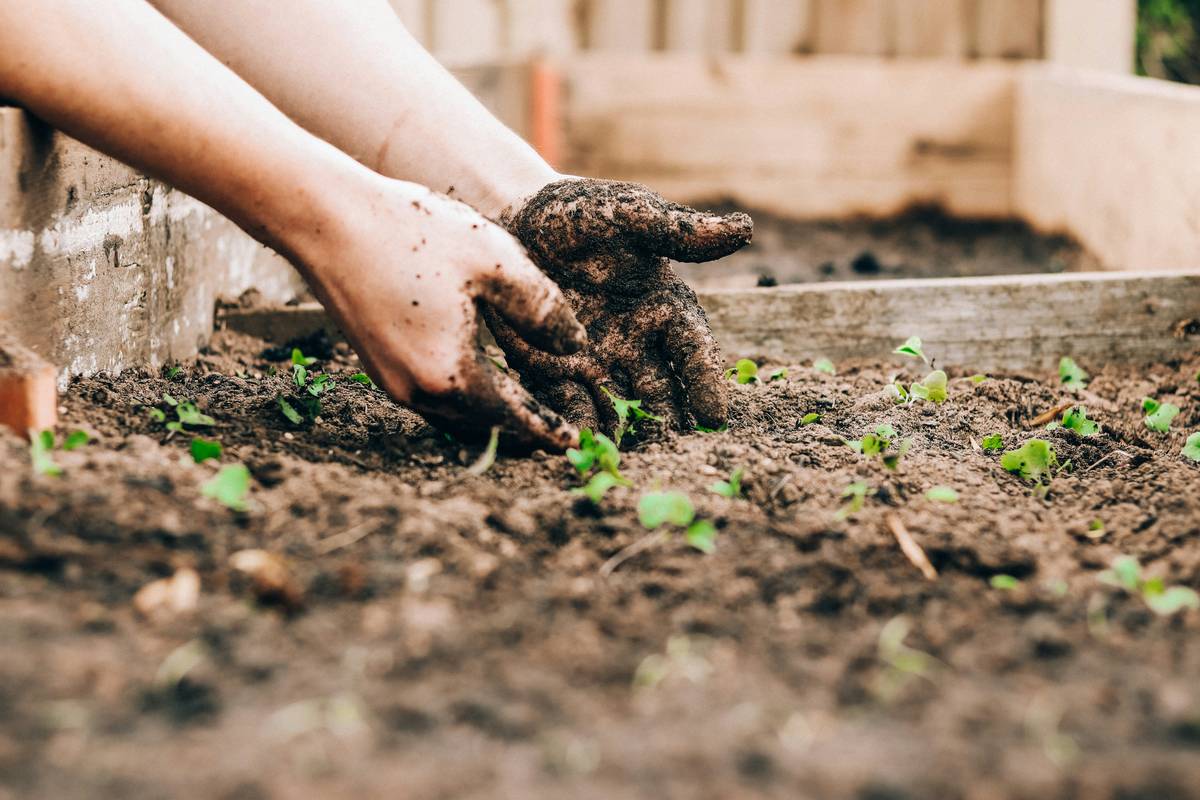
Shallow-rooted herbs need only 3–4 inches of loosened soil. Root vegetables? Go 8–10 inches deep—but never mix subsoil into topsoil. A planting aid cultivator’s adjustable tines let you dial this in. Generic tillers? One-size-fits-none.
| Method | Ideal Timing Before Planting | Germination Speed Boost | Risk of Soil Compaction |
|---|---|---|---|
| Heavy Rototiller | 10–14 days | None (often delays) | High (creates hardpan) |
| Manual Hoe Cultivation | 1–2 days | Moderate (+2 days) | Low (if soil is dry) |
| Planting Aid Cultivator | 3–7 days | High (+3 to +5 days) | Negligible |
The Industry Secret: Cultivate Twice—Not Once
Here’s what big-box gardening guides won’t tell you: single-pass cultivation sets you up for failure. Top-tier nurseries—and serious homesteaders—cultivate in two stages. First pass: 7 days before planting, to break clods and incorporate compost. Second pass: 24–48 hours before sowing, to create a fine, crumbly seedbed without disturbing deeper layers.
This mimics natural soil aeration after rain—without the compaction rebound. The result? Uniform moisture retention, faster root penetration, and fewer weed explosions. Skip the second pass, and you’re basically inviting crust formation. It’s not extra work—it’s strategic timing.
Frequently Asked Questions
How long before planting should I use a cultivator?
Use a planting aid cultivator 3 to 7 days before sowing seeds or transplanting—depending on crop type and soil moisture. Cool-season crops benefit from the longer end; warm-season from the shorter.
Can I cultivate the same day I plant?
Only if soil is already near-perfect. Same-day cultivation often disturbs moisture balance and creates air pockets that desiccate tiny roots. Wait at least 24 hours for soil to stabilize.
Does a planting aid cultivator replace a rototiller?
For beds under 500 sq ft—absolutely. Rototillers are overkill for established gardens. A precision cultivator preserves soil structure while achieving better seed-to-soil contact.