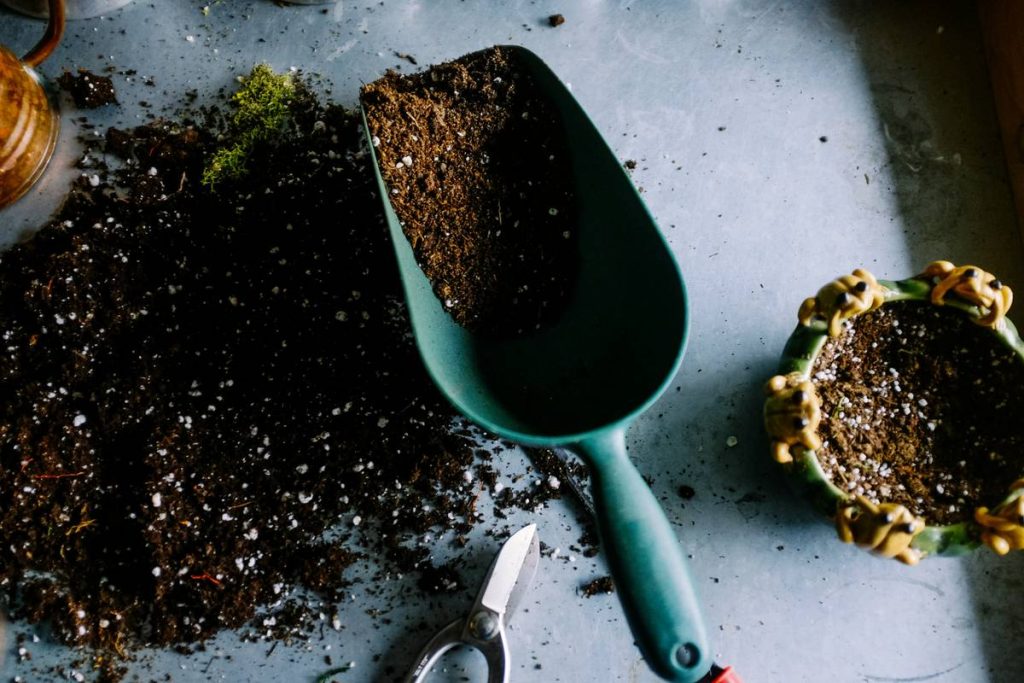
Your lawn looks patchy. Bare spots mock you after every mow. You scatter grass seed like confetti—and watch it wash away or bake in the sun. Here’s the gut punch: tossing seed onto unprepared soil is just performative gardening. The real fix starts below the surface—with the right cultivator for planting grass seed.
Stop Wasting Seed (and Time) with Lazy Prep
Most homeowners skip soil prep entirely. They think raking once equals “ready.” Nope.
A smooth, compacted surface? That’s a death sentence for germination. Grass seeds need contact with moist, loose soil—not to sit on top like ornaments. Without tilth, water runs off. Birds feast freely. And your $40 bag of premium seed becomes expensive bird feed.
Hand rakes don’t cut it. Rototillers? Overkill—and they wreck soil structure if misused. You need precision. You need controlled disturbance. Enter the cultivator.
How to Use a Cultivator for Planting Grass Seed—Without Destroying Your Yard
This isn’t about brute force. It’s about surgical soil awakening.
Select the Right Type of Cultivator
For small yards or tight corners: a manual hand cultivator with 3–5 tines. Light, precise, perfect for spot repairs.
For 1/4 acre or larger: a rear-tine walk-behind cultivator. Front-tine models bounce on uneven ground—avoid them for seeding prep.
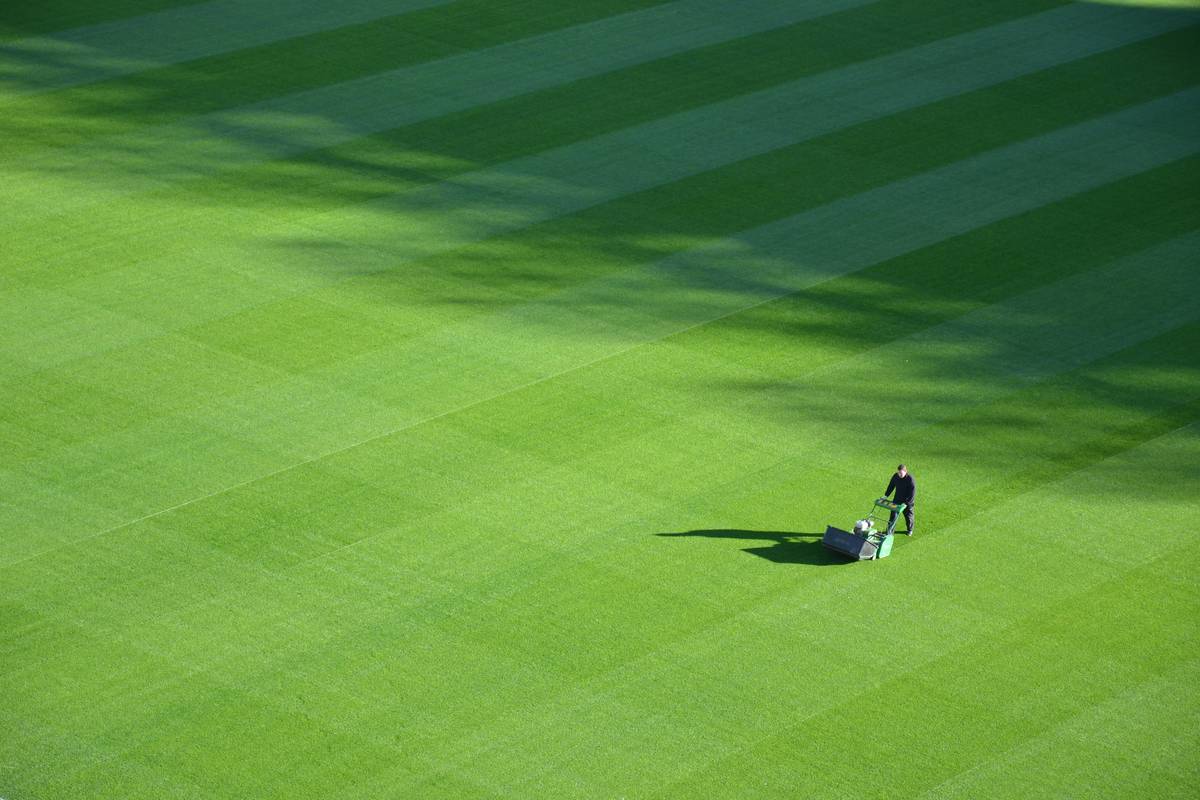
Prep Like a Pro—Not a Weekend Warrior
Mow existing grass low—1.5 inches max. Remove debris, thatch, and rocks. Then… wait.
Cultivate only when soil moisture is “just right.” Too wet? You create mud clods. Too dry? Tines skip uselessly. Ideal feel: cool, crumbly, holds shape briefly when squeezed—but breaks apart easily.
Depth Matters More Than You Think
You’re not tilling a vegetable bed. For grass seed, 1/4 to 1/2 inch is the sweet spot. Deeper = more weed seeds awakened. Shallower = no anchoring for roots.
Make two passes at perpendicular angles. Creates a crisscross furrow pattern—ideal for seed-to-soil contact without burying seed too deep.
| Method | Germination Rate | Time Required | Weed Risk |
|---|---|---|---|
| Seed on bare soil (no prep) | 15–25% | 5 minutes | High |
| Raking only | 30–40% | 30–60 min | Medium |
| Cultivator for planting grass seed (1/4″ depth) | 70–85% | 1–2 hours | Low |
The Industry Secret No One Talks About: “Micro-Tillage”
Here’s what big-box garden centers won’t tell you: full-area cultivation is often unnecessary—and counterproductive.
Most lawns just need targeted intervention. Focus only on bare or thin zones. Use a hand cultivator to loosen those patches, then overseed. Healthy turf nearby will naturally fill gaps faster than you’d expect. This “micro-tillage” approach saves fuel, time, and prevents disturbing established root systems.
And stop worrying about perfection. Nature doesn’t plant in straight rows. A slightly uneven seedbed actually improves microclimate variation—boosting resilience.
Frequently Asked Questions
Can I use a tiller instead of a cultivator for planting grass seed?
No. Tillers dig too deep (6+ inches), bringing up dormant weed seeds and destroying soil structure. Cultivators work the top 1/2 inch—exactly where grass seed needs contact.
When is the best time to use a cultivator for planting grass seed?
Early fall (cool-season grasses) or late spring (warm-season). Soil temps should be consistently above 50°F but not scorching. Avoid midsummer—it’s too harsh for tender seedlings.
Do I need to fertilize before or after using a cultivator?
Apply starter fertilizer after seeding—but before the first watering. Cultivating first ensures nutrients stay in the root zone, not buried under compacted layers.