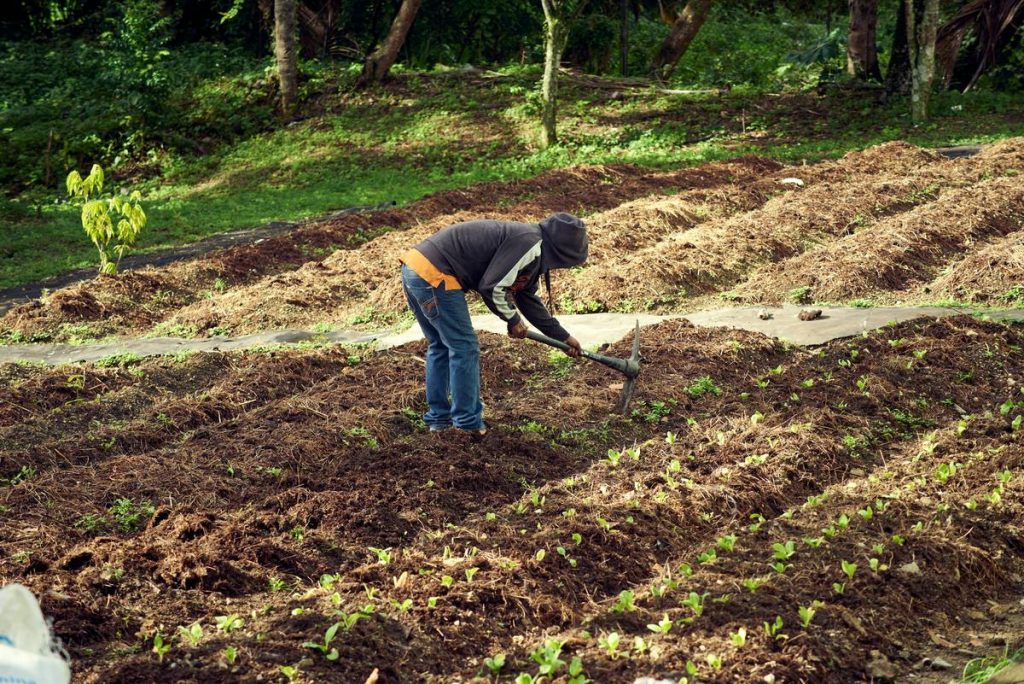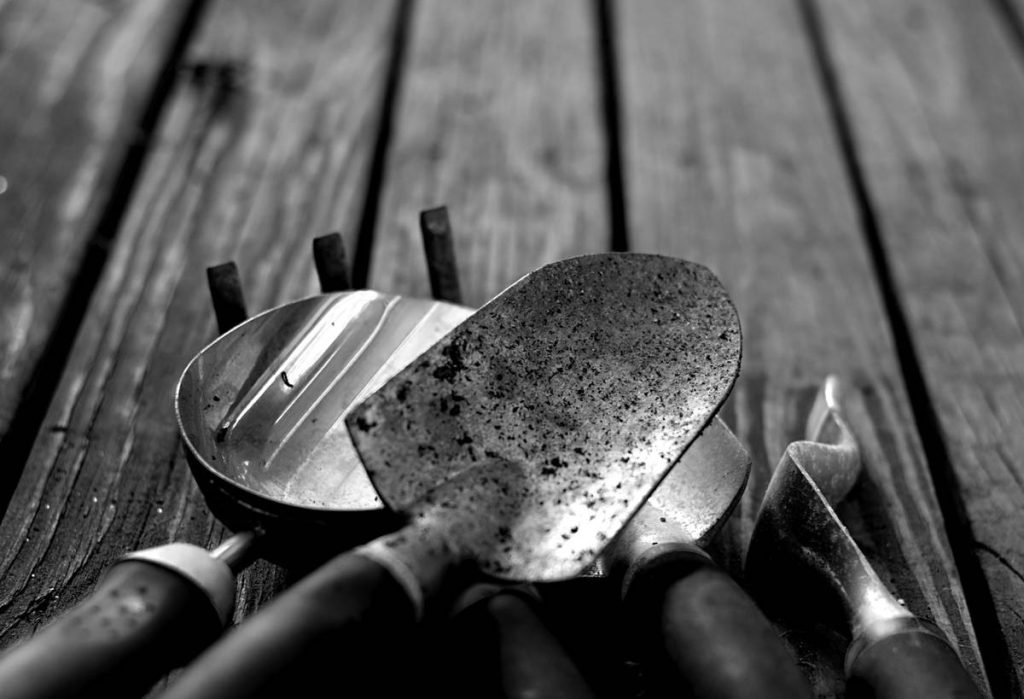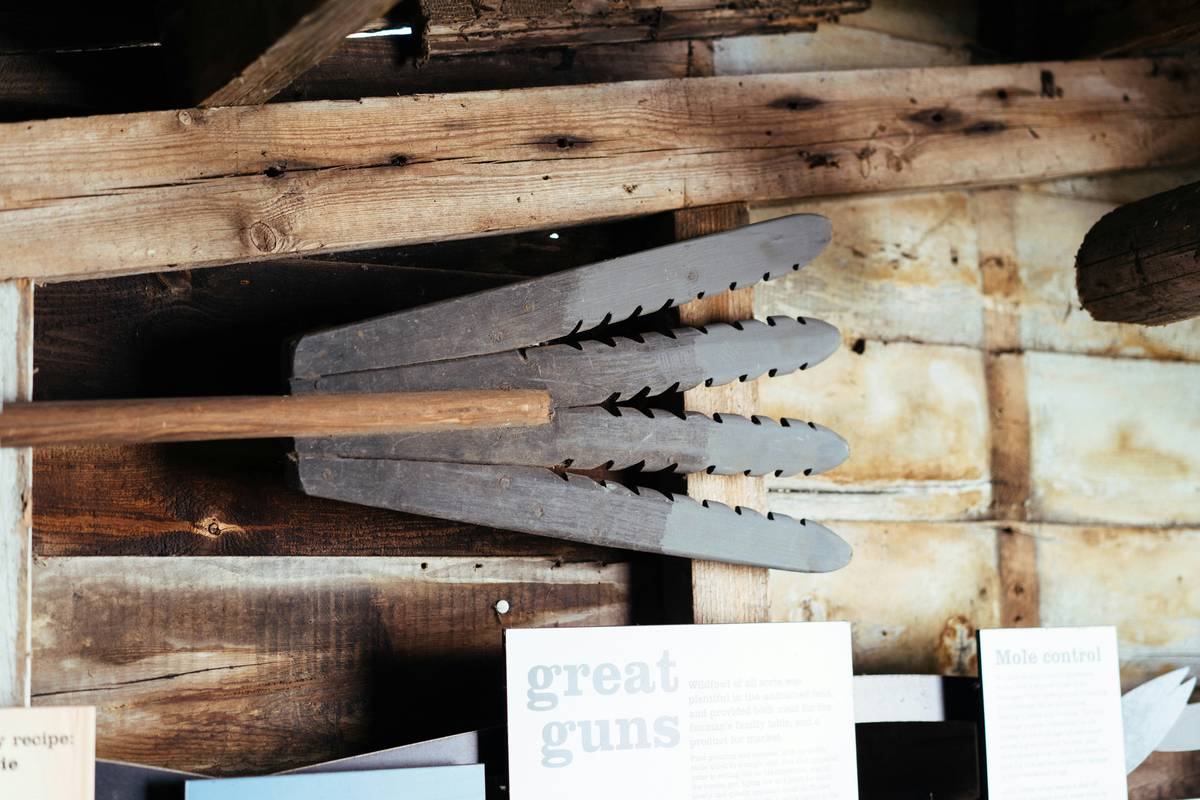
You spent hours amending your soil, picking heirloom seeds, and spacing your rows perfectly—only to watch weeds choke your seedlings by week three. Frustrating? Absolutely. Most gardeners blame poor planning or bad weather. But the real culprit? They skipped using a cultivator.
Why Hand Weeding and Tilling Alone Fail
Tilling once at season start isn’t enough. Soil compacts fast—especially after rain—and dormant weed seeds get buried just deep enough to sprout weeks later. Hand weeding? It’s unsustainable beyond 50 square feet. And it often leaves roots behind, which regrow faster than you think.
Here’s the reality: healthy soil needs constant, light disruption. Not digging. Not ripping. Just gentle, frequent agitation. That’s where most home gardeners go wrong—they treat soil like a “set-it-and-forget-it” medium. It’s not.
What Is a Cultivator? Your Step-by-Step Guide to Smarter Soil Care
A cultivator isn’t just another rake or hoe. It’s a precision tool designed to aerate, mix, and weed with minimal disturbance. Think of it as scalp surgery for your topsoil—targeted, clean, and efficient.
Choosing the Right Type of Cultivator
Not all cultivators perform the same. Match the tool to your plot size and soil type:
| Type | Ideal For | Cost Range | Best Use Case |
|---|---|---|---|
| Hand Cultivator (3-prong) | Small raised beds, container gardens | $8–$25 | Weeding between tight rows; mixing compost into top 2 inches |
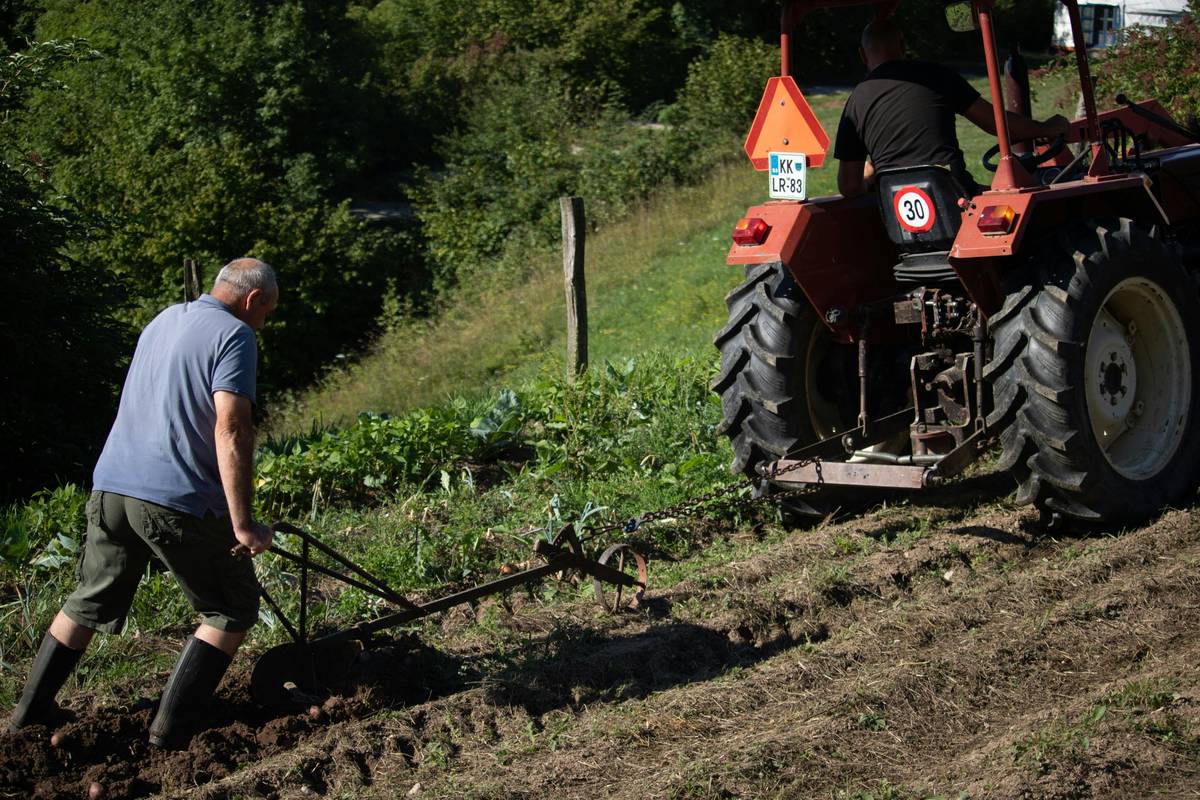
| Rotary (Manual) Cultivator | Medium plots (100–300 sq ft) | $30–$60 | |
| Powered Cultivator | Large vegetable patches, new bed prep | $120–$400+ |
When and How Often to Use It
Cultivate weekly during peak growing season. Early morning is best—soil is slightly moist but not soggy. Work shallow: no deeper than 1–2 inches. Deeper passes bring up more weed seeds. And yes, that contradicts old-school advice. Modern no-dig gardening shows less is more.
Mistakes Even Experienced Gardeners Make
Using a cultivator on wet soil? That smears clay and destroys pore space. Wait until a soil ball crumbles when squeezed. Also—don’t drag it through mulch-covered beds. Lift mulch first, cultivate, then replace. Otherwise, you’re just burying organic matter too deep.
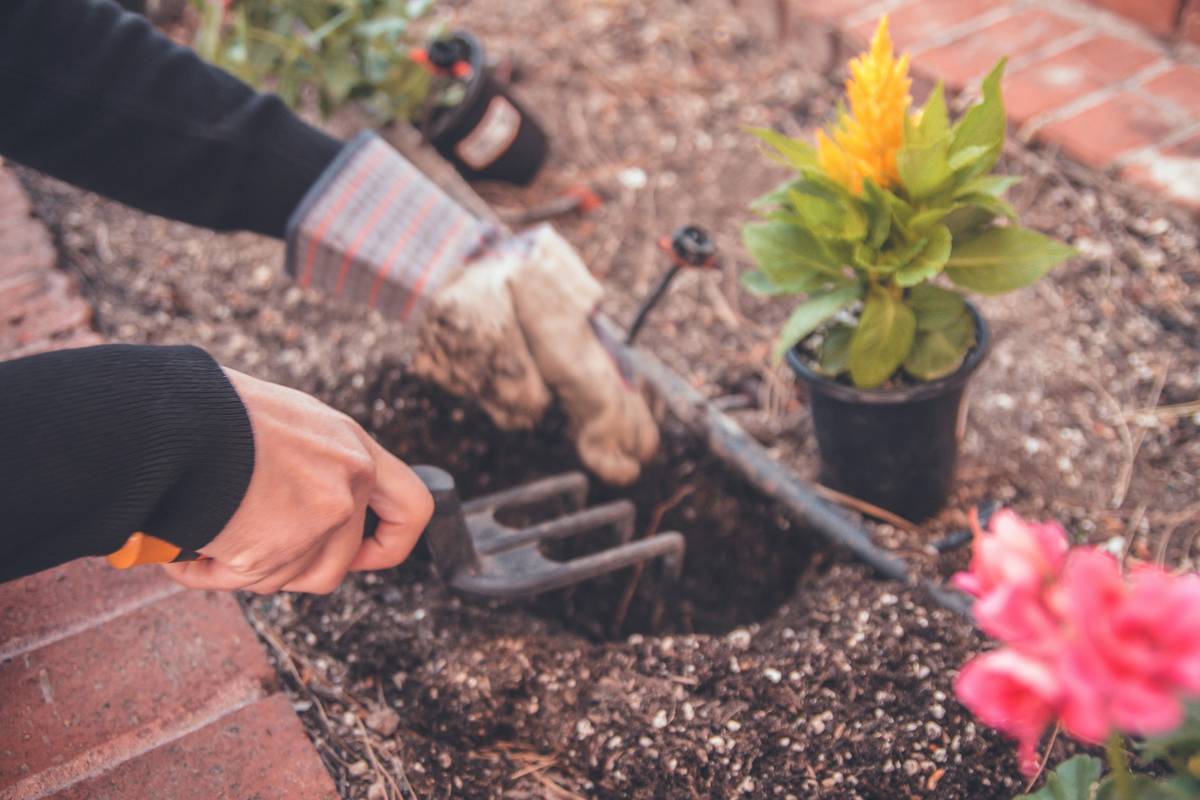
The Industry Secret: Cultivators as Soil Diagnostics
Most nurseries sell cultivators as weed tools. But seasoned growers use them differently—they’re soil sensors. The resistance you feel while cultivating tells you everything: sticky clumps mean compaction; dusty powder indicates drought stress; springy, crumbly texture? You’ve nailed your organic matter balance.
And here’s something you won’t find in manuals: the sound matters. A healthy, well-aerated bed makes a soft scratching noise. Heavy thuds or squeaks mean trouble—either too wet or too dry. Listen before you look.
Frequently Asked Questions
Is a cultivator the same as a tiller?
No. Tillers dig deep (6+ inches) for initial bed prep. Cultivators work the top 1–2 inches for maintenance—weeding, aeration, and blending amendments.
Can I use a cultivator on lawns?
Not effectively. Lawn soils need core aeration, not surface scratching. Use a dethatcher or aerator instead—cultivators just shred grass crowns.
How do I clean and store my cultivator?
Rinse off soil immediately after use. Dry thoroughly to prevent rust. Hang it—don’t leave it leaning against damp walls. A drop of oil on metal joints extends life.