Gardening feels impossible when your soil’s hard as concrete or choked with last season’s weeds. You’ve tilled, you’ve raked, you’ve cursed—yet roots still struggle to breathe. What if the problem isn’t your effort but your tool? Enter the field cultivator: not just another gadget, but a precision weapon for soil that actually wants to grow things.
Why Tilling Alone Fails (And Wastes Your Time)
Rototillers smash soil structure into dust. That “fluffy” bed compacts within weeks—especially after rain. Roots hit a wall. Water pools or runs off. And weed seeds buried deep get churned to the surface, primed to sprout. It’s a cycle of frustration disguised as progress.
A true field cultivator doesn’t pulverize. It slices, lifts, and aerates—preserving natural soil layers while breaking up compaction just enough for life to thrive. Big difference.
What Is a Field Cultivator? How to Use One Like a Pro
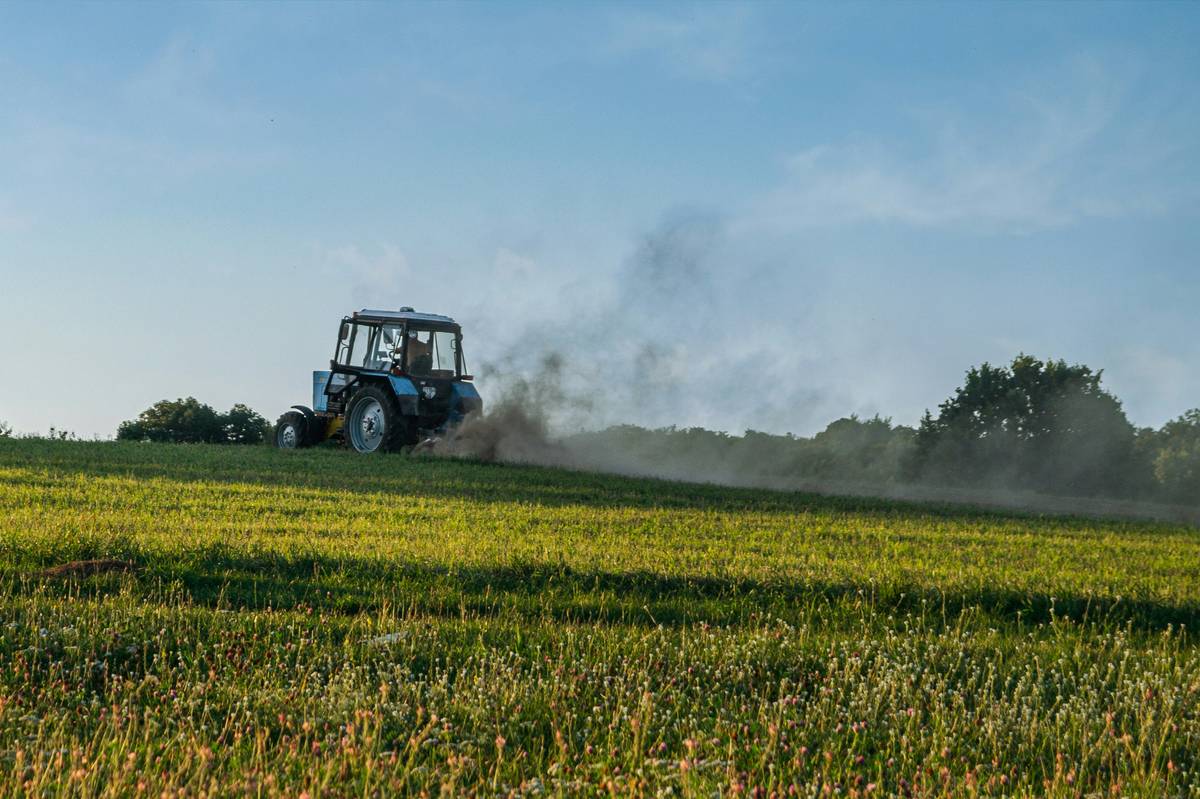
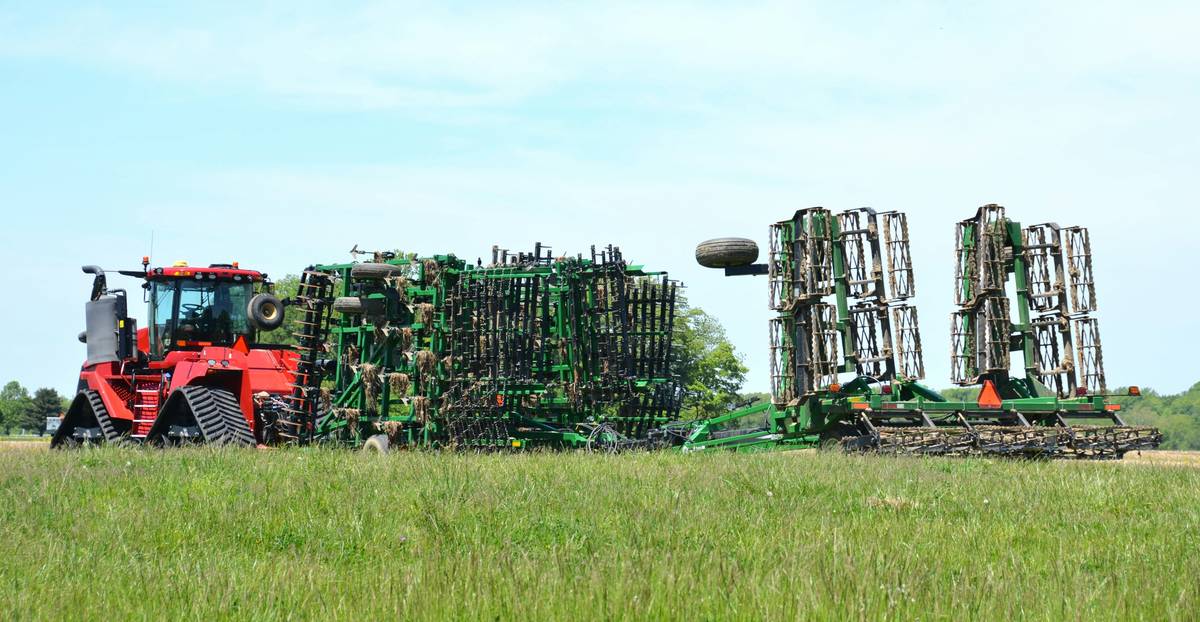
Field cultivators come in walk-behind models for home plots and tractor-mounted versions for acreage. But the principle is universal: staggered tines working at shallow depth (2–4 inches) to disturb only what’s necessary.
Selecting the Right Type
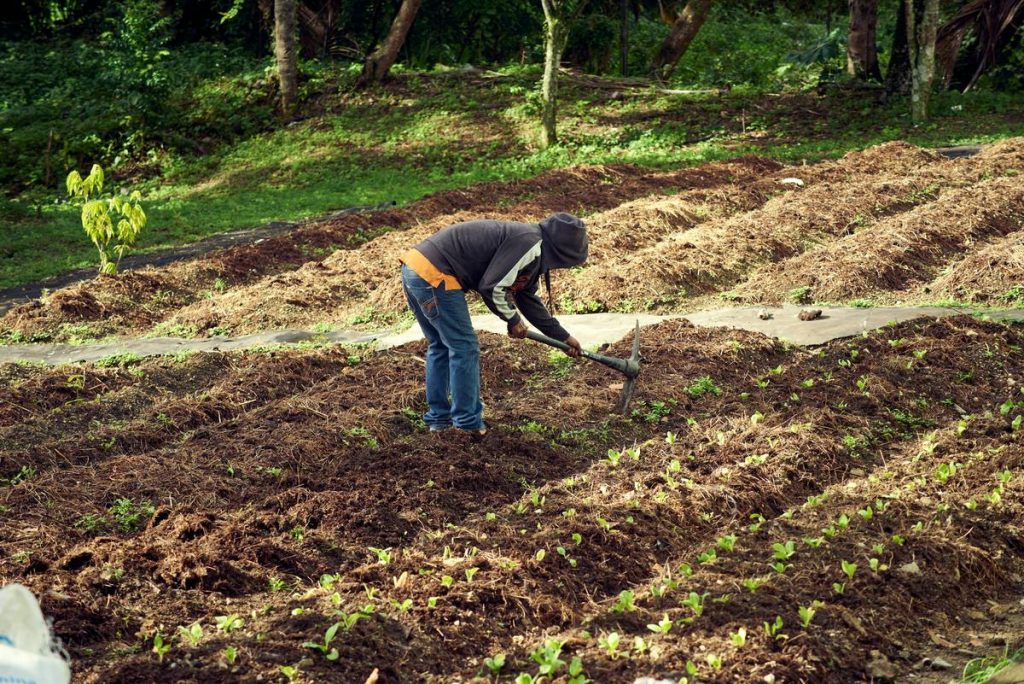
For beds under 500 sq ft, a manual oscillating cultivator (like a claw on a stick) works wonders between rows. Got a half-acre? A rear-tine tiller with cultivator mode or a dedicated PTO-driven unit saves days of labor.
Timing Matters More Than You Think
Run it too early in wet soil? You’ll smear clay into brick. Too late in bone-dry dirt? Tines bounce off like they’re mocking you. Ideal window: when a soil ball crumbles easily under thumb pressure—not slushy, not powdery.
Technique Beats Horsepower
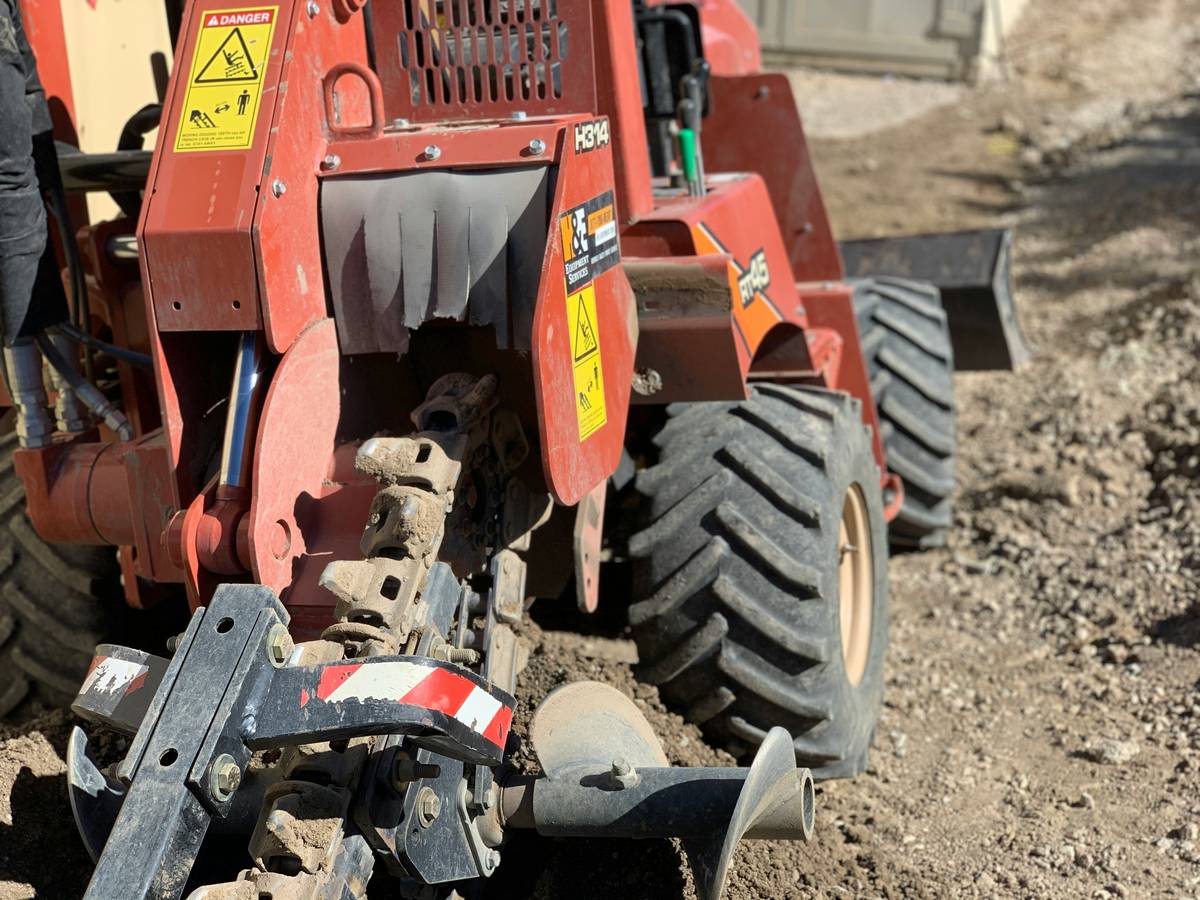
Slow, overlapping passes. Never force it. Let the tines do the work—dragging fast just throws dirt without slicing compaction. And always go perpendicular to your last pass for even breakup.
| Method | Soil Impact | Weed Control | Time for 1,000 sq ft |
|---|---|---|---|
| Rototiller (Standard) | Destroys structure; creates hardpan below | Poor—brings new seeds to surface | 20–30 min |
| Manual Hoe | Minimal disruption | Good for surface weeds only | 90+ min |
| Field Cultivator | Preserves aggregates; aerates | Excellent—uproots young weeds shallowly | 35–45 min |
The Industry Secret: Cultivators Aren’t Just for Prep—They’re for Recovery
Most nurseries sell them as spring tools. Wrong. The real pros run light cultivators mid-season after heavy rain or foot traffic to re-open air channels—without disturbing plant roots. It’s called “re-aeration,” and it’s why commercial growers get lush growth all summer while backyard gardens stall by July. And here’s the kicker: doing this reduces fungal issues by 40% in humid climates. Better airflow = fewer pathogens. The math is simple—yet almost nobody does it.
FAQ: Real Questions, Straight Answers
Is a field cultivator the same as a tiller?
No. Tillers dig deep and invert soil. A field cultivator works shallow to fluff and weed without wrecking structure.
Can I use a field cultivator on rocky soil?
Yes—but swap to flexible tines. Rigid ones snap on hidden stones. Go slow and let the tool float over obstacles.
How often should I use a field cultivator?
Once before planting, then optionally every 4–6 weeks during growing season to manage compaction and weeds.